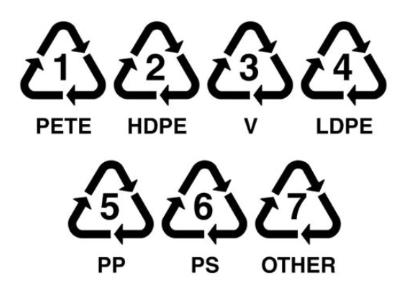
Plastic Melting Temperature is the temperature range in which plastics transition from solid (or highly elastic) state to viscous flow state. Within this range, the interaction between molecular chains is weakened and the fluidity of the material is enhanced.
Unlike low molecular weight materials, the melting of polymers (especially semi-crystalline materials) is not a single temperature point, but a range that can span up to 20°C or wider.The melting temperature of a plastic usually refers to the temperature range from solid to viscous flow, rather than a single fixed value.
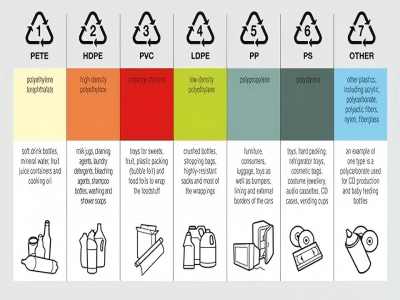
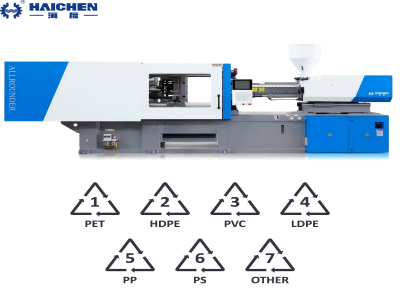
Plastic Melting Temperature Chart that outlines common thermoplastics used in injection molding manufacturing, their melting/processing temperature ranges.
Haichen list key considerations:
What is the melting point of plastic?
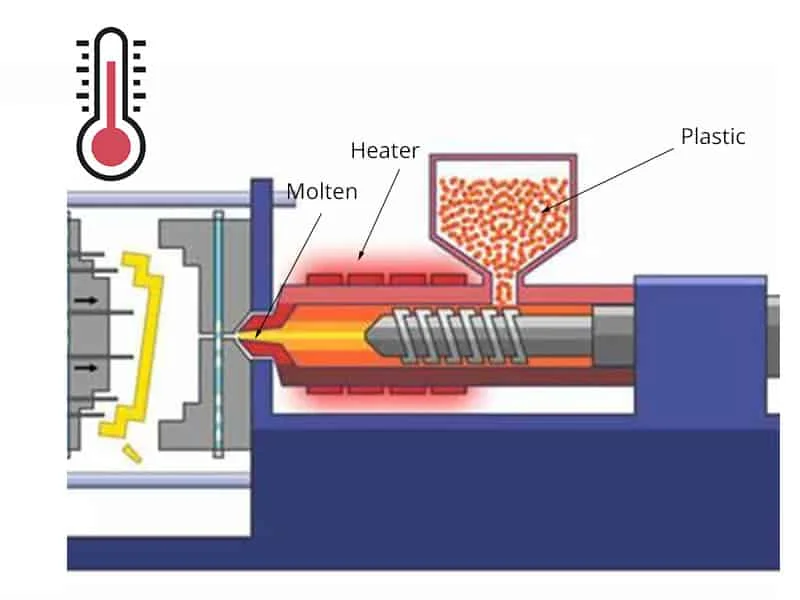
Because the melt temperature directly determines the final quality of the plastic product.
The melting point of plastics varies significantly depending on the specific type, molecular structure, crystallinity, and processing conditions. Below is a comprehensive analysis of melting point ranges for different plastics and key influencing factors:
- Typical Melting Points of Common Plastics
- Melting Points of Biodegradable Plastics
- Key Factors Influencing Melting Points
- Addressing Contradictory Data
Typical Melting Points of Common Plastics
- Polyethylene (PE):
- Low-Density Polyethylene (LDPE): 105–115°C
- High-Density Polyethylene (HDPE): 120–180°C
- Polypropylene (PP): 158–168°C (or 160–177°C)
- Polyvinyl Chloride (PVC): 100–260°C (varies widely with plasticizer content)
- Polystyrene (PS): ~240°C
- Polyethylene Terephthalate (PET): ~250°C
- Polytetrafluoroethylene (PTFE): 300–335°C (influenced by crystallinity)
Melting Points of Biodegradable Plastics
- PHB (Polyhydroxybutyrate): ~175°C
- PHBV (Polyhydroxybutyrate-valerate): 110–170°C (depends on copolymer composition)
- Potato Starch-Based Bioplastic (BP): 189.8°C (higher than conventional plastics at 122.2°C)
Key Factors Influencing Melting Points
- Molecular Weight & Crystallinity:
Higher crystallinity (e.g., PTFE) raises melting points. - Processing Conditions:
Annealing or radiation treatment can alter crystallinity and melting behavior. - Copolymer Composition:
For example, PHBV’s melting point decreases with higher valerate content. - Thermal History:
Cooling rates during manufacturing affect crystallinity and melting points.
Addressing Contradictory Data
Discrepancies in reported values may arise from:
- Experimental Conditions:
E.g., “plastic melts at 400°C” vs. “140°C” due to differences in testing methods. - Terminology Confusion:
Softening points (e.g., HDPE at 130°C) vs. complete melting (200–250°C).
Plastics do not have a universal melting point. For example:
- Conventional plastics like PE melt between 100–180°C.
- Engineering plastics like PTFE exceed 300°C.
Accurate values depend on material type, additives, and testing protocols. Always refer to technical datasheets for specific grades.
Why Plastic Melting Points Matter in Material Selection?
To answer this question, we can analyze it for you in detail based on the table of special chemical and physical properties of the following products.
- Plastic Melting/Processing Temperature Chart
- Have you noticed the differences between the materials?
- Applications by Material
Plastic Melting/Processing Temperature Chart
| Plastic Type | Melting/Processing Temp (°C) | Melting/Processing Temp (°F) | Notes |
|---|---|---|---|
| PET (Polyethylene Terephthalate) | 260–290°C | 500–554°F | Used for bottles, fibers. Avoid moisture to prevent degradation. |
| HDPE (High-Density Polyethylene) | 120–180°C | 248–356°F | High chemical resistance; common in containers, pipes. |
| LDPE (Low-Density Polyethylene) | 105–115°C | 221–239°F | Flexible; used in films, bags. Low melting point. |
| PP (Polypropylene) | 160–170°C | 320–338°F | Lightweight, food-safe; common in automotive parts, packaging. |
| PS (Polystyrene) | 240°C | 464°F | Rigid (GPPS) or foamed (EPS). Brittle; avoid high stress. |
| PVC (Polyvinyl Chloride) | 160–210°C | 320–410°F | Decomposes above 200°C, releasing HCl gas. Use stabilizers. |
| ABS (Acrylonitrile Butadiene Styrene) | 200–280°C | 392–536°F | Tough, impact-resistant; used in automotive, electronics. |
| PC (Polycarbonate) | 220–310°C | 428–590°F | Transparent, heat-resistant; prone to hydrolysis (dry thoroughly). |
| Nylon 6 (Polyamide) | 220–260°C | 428–500°F | High strength; absorbs moisture (requires pre-drying). |
| Nylon 66 (Polyamide) | 260–280°C | 500–536°F | Superior heat resistance vs. Nylon 6; used in gears, bearings. |
| PEEK (Polyether Ether Ketone) | 343°C | 649°F | High-performance; requires specialized equipment. Biocompatible. |
Have you noticed the differences between the materials?
- Melting vs. Processing Temperatures:
- Crystalline plastics (e.g., HDPE, PP) have sharp melting points.
- Amorphous plastics (e.g., ABS, PC) soften over a range (glass transition temperature, Tg) and lack a distinct melt point.
- Safety Considerations:
- PVC: Decomposes above 200°C, releasing toxic hydrogen chloride gas.
- PEEK: Requires high-temperature equipment and inert atmospheres to prevent oxidation.
- Material Prep:
- Pre-dry hygroscopic plastics (e.g., Nylon, PC, PET) to avoid defects like bubbles.
- Injection Molding Tips:
- Adjust barrel temperatures based on material type.
- Monitor thermal stability to prevent degradation.
Applications by Material
- High-Temp Resins (PEEK, PC): Aerospace, medical implants.
- Commodity Plastics (HDPE, PP): Packaging, household goods.
- Engineering Plastics (ABS, Nylon): Automotive, industrial components.
This chart serves as a general guide—always consult material datasheets for precise processing parameters.
Injection moulding plastic melting temperature
Injection Molding: Plastic Melting Temperatures
The melting temperature of plastics in injection molding varies significantly depending on material type. Below is a detailed analysis based on multiple sources:
- ABS (Acrylonitrile Butadiene Styrene)
- Polypropylene (PP)
- Polyethylene (HDPE/LDPE)
- Other Common Plastics
- Temperature Control Principles
- Practical Considerations
ABS (Acrylonitrile Butadiene Styrene)
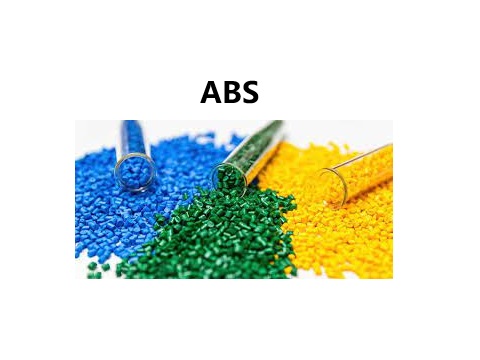
- Melting Temperature Range:
- Table data shows 180–250°C (mold temp: 50–90°C).
- Some sources suggest 210–270°C.
- Alternative tables list 170–190°C (melt temp) with injection temp recommended at 200–240°C.
- Material suppliers specify 220–260°C (ideal melt temp: 250°C, mold temp: 30–60°C).
- Critical Limitation: ABS decomposes at 260°C, so melt temperature must stay below 260°C to avoid degradation.
Polypropylene (PP)
- Melting Temperature Range:
- 190–270°C (mold temp: 30–80°C).
- Other melt temp 160–175°C, injection temp 190–290°C.
- Recommended injection temp: 250–270°C (mold temp: 50–75°C).
- Ideal processing temp: 232–260°C (450–500°F).
- Characteristics: Flexible molecular chains make PP less sensitive to temperature fluctuations, but excessive heat may cause chain scission.
Polyethylene (HDPE/LDPE)
- HDPE:
- Melt temp: 200–260°C (mold temp: 30–70°C).
- Injection temp ranges: 160–280°C or 260–300°C, depending on grade.
- LDPE:
- Melt temp: 180–240°C (mold temp: 20–60°C).
- Injection temp: 150–230°C.
Other Common Plastics
- POM (Polyoxymethylene):
- Melt temp: 160–280°C (mold temp: 10–80°C).
- Injection temp: 190–230°C.
- PC (Polycarbonate):
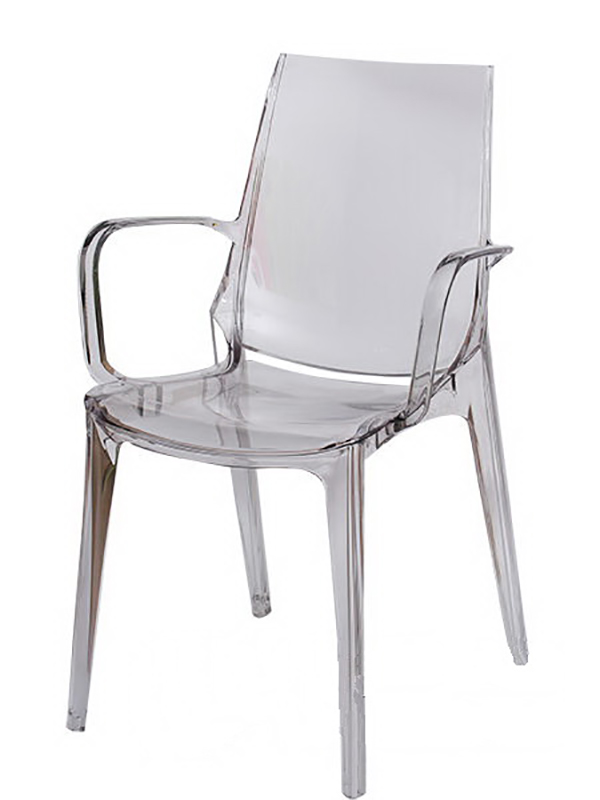
- Melt temp: 225–250°C, injection temp: 270–320°C (decomposition at 360°C).
- Mold temp: 80–100°C.
- PMMA (Acrylic):
- Melt temp: 180–260°C (mold temp: 50–80°C).
- Decomposition begins at 270°C.
Temperature Control Principles
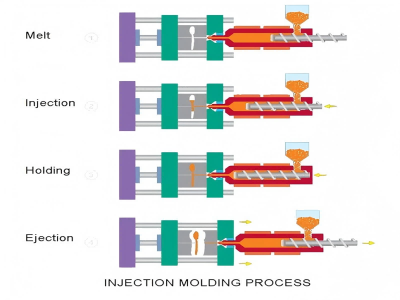
- Melt Temperature:
- Must exceed melting point but stay below decomposition temperature.
- Example: ABS requires 210–260°C (avoid approaching 260°C).
- Rigid-chain materials (e.g., PC, PPS) need precise control; flexible-chain materials (e.g., PA, PP) tolerate wider ranges.
- Mold Temperature:
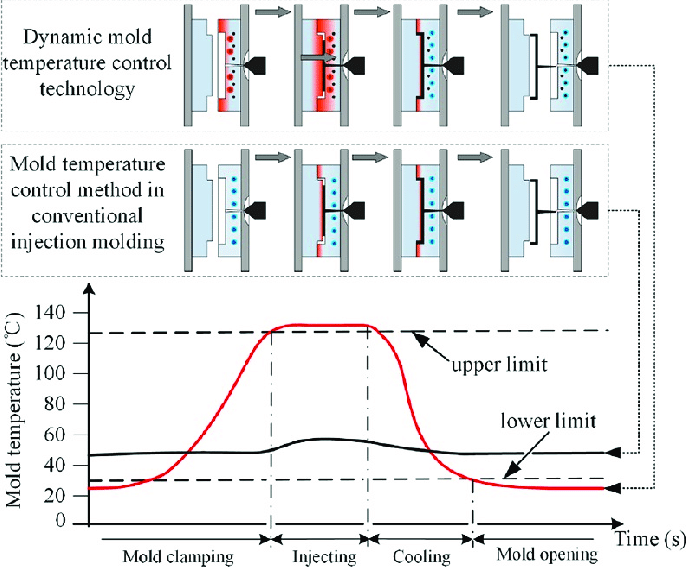
- Affects cooling rate and crystallinity. Examples:
- ABS: 50–90°C
- PP: 30–80°C
- PC: ≥60°C (up to 160°C for high-performance grades).
- Front/back mold temperature difference should be ≤16°C to minimize internal stress.
Practical Considerations
- Equipment Variations:
- Nozzle vs. barrel temperatures: A 40–50°C difference is common. For ABS, nozzle temp ~250°C, hopper zone ~200°C.
- Material Batch Variability: Adjust temperatures based on supplier data and real-world testing.
- Process Validation: Experimental optimization is critical. For example, HDPE shows a linear relationship between melt time and weight at 200–250°C.
Plastic melting temperatures in injection molding must be tailored to material type, molecular structure, and equipment. Key steps:
- Follow supplier guidelines (e.g., ABS: 220–260°C).
- Balance melt and mold temperatures to avoid degradation.
- Validate parameters through trials.
Always prioritize material-specific data and adjust for process stability and product quality.
What happens when plastics are mixed?
When different plastics are mixed, their interactions and final properties depend on factors such as mixing methods, plastic types, ratios, and the use of modifiers. Below are the key phenomena and impacts of plastic blending:
- Synergistic Effects and Product Changes During Pyrolysis
- Compatibility Challenges in Mechanical Recycling
- Chemical Recycling and Selective Degradation
- Plastic-Asphalt Blends
- Environmental and Health Risks
- Reinforced and Composite Materials
Synergistic Effects and Product Changes During Pyrolysis
Mixed plastics undergo overlapping pyrolysis temperature ranges, leading to synergistic effects that accelerate molecular chain breakdown and reduce activation energy. Examples include:
- PET/PE blends: Higher PET content lowers the maximum degradation temperature, likely due to hydrogen atom transfer from PET to PE free radicals.
- Increased PE content: Sharper and higher pyrolysis curve peaks, while PP presence accelerates overall degradation rates and destabilizes PE.
- Complex pyrolysis products: Blends yield more diverse products than single plastics. For instance, PS mixed with PE or PP generates more aromatic hydrocarbons.
Compatibility Challenges in Mechanical Recycling
Most plastics (e.g., PE, PP, PS) are thermodynamically incompatible when melted, causing phase separation and reduced mechanical strength. Solutions include:
- Compatibilizers: SBS elastomers improve tensile/impact properties of recycled PP/PS blends; tetrablock copolymers (e.g., PE-PP) act as “molecular glue” to enhance PE/PP blend toughness.
- Reactive compatibilization: Maleic anhydride grafting (e.g., PP-g-MAH) or epoxy chain extenders (e.g., ADR) promote interfacial chemical bonding.
- Melt process optimization: Adjusting screw shear rates and temperatures improves microstructure. For example, strong shear forces enhance PP/PS/PP-g-MAH ternary blends.
Chemical Recycling and Selective Degradation
Molecular engineering (e.g., polydiketoenamine, PDK) enables selective chemical recycling. By tuning PDK hydrolysis rates, specific plastics can be degraded in stages to recover high-purity monomers.
Plastic-Asphalt Blends
Mixing plastics with asphalt requires temperature and material control:
- At 180°C, LDPE fully integrates into asphalt, increasing viscosity, while poor PP dispersion may degrade performance.
- Filler content adjustments are needed to maintain workability.
Environmental and Health Risks
- Microplastic mixtures: Combined exposure to PS microplastics and nanoplastics may disrupt intestinal barriers via oxidative stress and apoptosis.
- Recycling contamination: Additives or impurities in mixed plastics can degrade recycled material quality and pose health risks.
Reinforced and Composite Materials
- Fiber reinforcement: Glass/carbon fibers enhance mechanical properties but raise environmental costs (e.g., energy-intensive production).
- Starch-based composites: Blends with PE/PP create partially biodegradable materials, requiring optimized phase morphology and interfaces.
Handling mixed plastics requires balancing thermodynamics, compatibility, and application goals. Key strategies include:
- Compatibilizers, process optimization (shear mixing, temperature control), and chemical modifications (chain extension, grafting).
- Recycling technologies must balance efficiency, cost, and environmental impact. Future research should focus on:
- High-performance compatibilizers.
- Selective degradation methods.
- Standardized evaluation systems for blended plastics.
Further Considerations for Plastic Melt & Mould Temperatures
In plastic injection molding, melt temperature and mold temperature are critical process parameters that require comprehensive consideration of material properties, product quality, and production efficiency. Below are key optimization strategies:
- Melt Temperature Control
- Mold Temperature Optimization
- Synergistic Effects & Process Balancing
- Special Processes & Material Considerations
- Key Trade-offs & Solutions
Melt Temperature Control
- Material-Specific Ranges: Optimal melt temperatures vary significantly across materials. For example:
- PA6: 240–248°C
- Nylon 66: 260–290°C
- ABS: 225–245°C
Always respect thermal stability limits (e.g., decomposition temperatures) to avoid degradation.- Flowability vs. Shrinkage: Higher melt temperatures reduce viscosity, improving fill performance but increasing cooling time and shrinkage. Exceeding recommended ranges may lead to brittleness in ABS or weakened weld lines in PA5.
- Molecular Integrity: Elevated temperatures can enhance molecular orientation and crystallinity (improving mechanical properties), but excessive heat risks chain scission, reducing molecular weight.
Mold Temperature Optimization
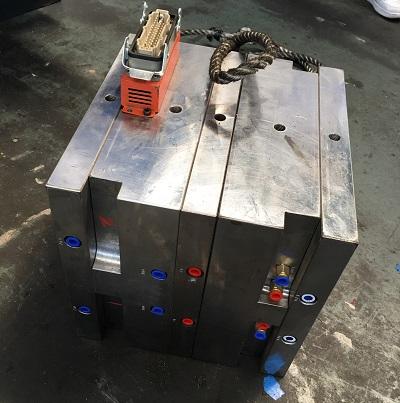
- Cooling Uniformity: Mold temperature directly impacts cooling rate. Higher temperatures (e.g., 80°C for Nylon 66) reduce frozen layers and cavity pressure fluctuations but extend cycle time. Maintain temperature gradients:
- ≤5°C for semi-crystalline materials (e.g., PA, POM)
- ≤10°C for amorphous materials (e.g., ABS, PC)
- Crystallinity & Stress:
- Semi-crystalline materials: Higher mold temperatures promote crystallinity, enhancing creep resistance and dimensional stability.
- Amorphous materials: Higher temperatures reduce internal stress and improve fatigue resistance.
- Coolant Parameters: Coolant temperature typically 5–10°C with ΔT ≤3–5°C. Avoid excessive cooling to prevent condensation or corrosion.
Synergistic Effects & Process Balancing
- Melt-Mold Interaction: Pair high melt temperatures with appropriate mold temperatures to optimize solidification. For example, 260–270°C melt + 60–85°C mold minimizes warpage. Low mold temperatures risk premature freezing and short shots.
- Cooling Time Calculation: Use thermal diffusivity (α=kρCp) to estimate cooling time. Example: For PP (α=8.87×10⁻⁸ m2/s), theoretical cooling ≈19 s. Account for latent heat release in crystalline materials.
- Dynamic Adjustment: Apply optimization tools like Response Surface Methodology (RSM) to balance parameters (e.g., melt temp, mold temp, packing pressure) for multi-objective goals (e.g., warpage reduction, energy efficiency).
Special Processes & Material Considerations
- Weld Line Strength: For materials like PA6, external gas-assisted mold temperature control (e.g., 145°C) improves molecular bonding at weld lines.
- Recycled Materials: Strictly control melt temperature (e.g., 170°C for rHDPE) to mitigate performance loss from chain scission.
- Thin-Wall & Complex Parts: Higher mold temperatures (≥40°C) minimize crystallinity variation in thin walls. Post-molding annealing may stabilize dimensions.
Key Trade-offs & Solutions
- Material Conflicts: Overlapping temperature ranges (e.g., PA6 vs. Nylon 66) require validation via thermal analysis (e.g., DSC).
- Quality vs. Efficiency: Higher mold temperatures improve surface finish but extend cycle time. Optimize cooling channels (e.g., turbulent flow design) to shorten cooling.
Melt and mold temperatures must be dynamically adjusted based on material properties, part geometry, and process goals. Experimental validation (e.g., DOE) or numerical simulations (e.g., FEA) are essential to balance quality and efficiency in injection molding.
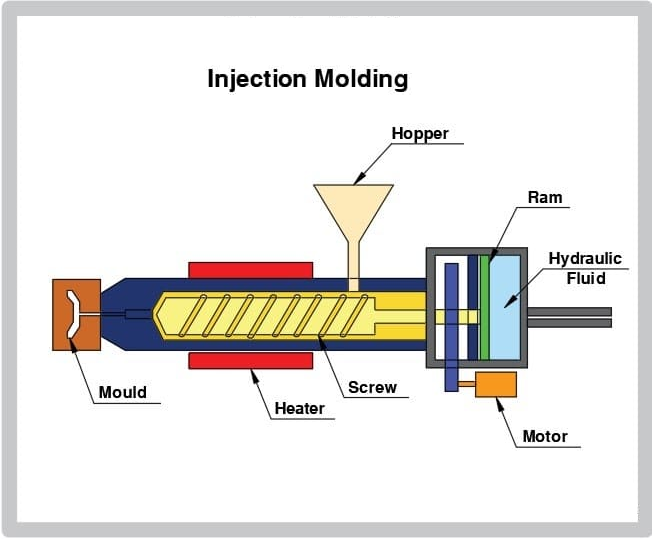
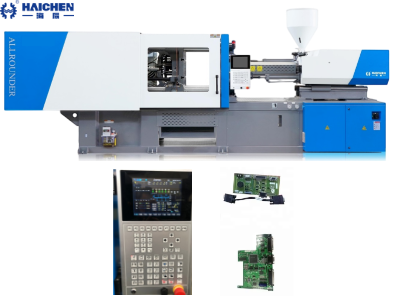
Haichen injection molding machine controls the melting point of plastics methods
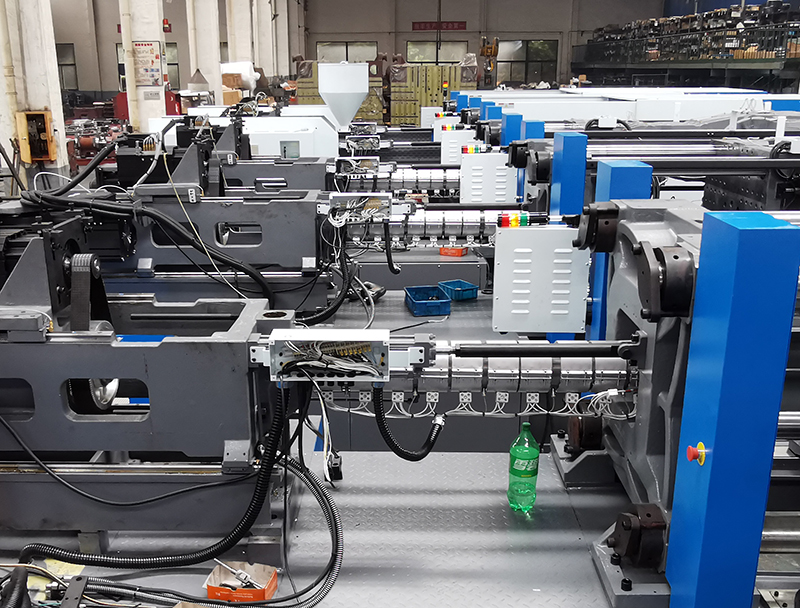
Our Haichen injection molding machines control plastic melting points through the following key technologies:
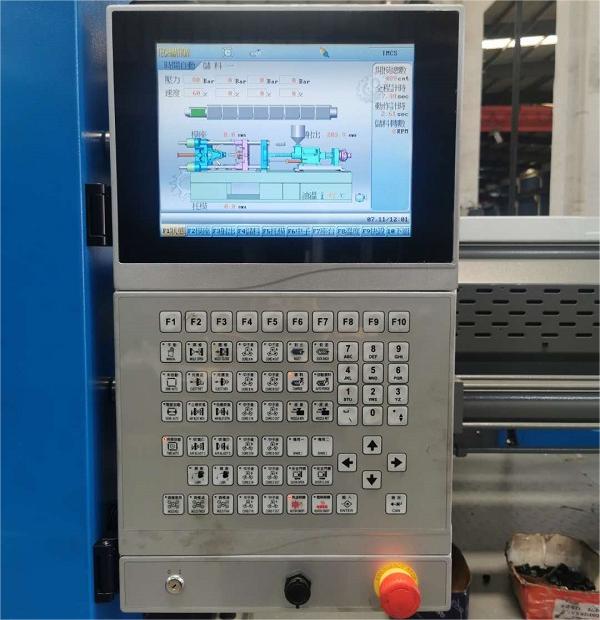
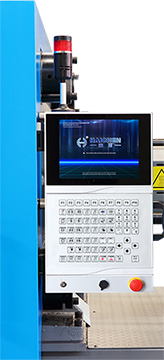
- Precision PID Temperature Control System
The barrel utilizes PID (Proportional-Integral-Derivative) closed-loop temperature control. Real-time monitoring and adjustment of heating parameters ensure stable temperatures within ±0.5°C of the set value. For example, when processing PP plastic, the barrel temperature is typically set to 180°C, with high-accuracy thermocouples minimizing deviations. - Servo-Driven Hydraulic System
The E-series machines replace traditional hydraulics with servo motors, enabling dual closed-loop control of pressure and flow via computerized drives. This allows precise adjustments during injection and holding phases, stabilizing melt consistency. Multi-stage speed and pressure settings adapt to plastics with varying melting points. - Multi-Stage Plastication and Injection Control
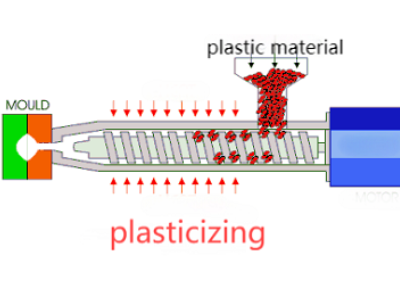
Programmable multi-stage backpressure and screw rotation speed prevent overheating or excessive shear. For glass fiber-reinforced plastics, reduced screw speed minimizes shear heat generation while maintaining uniform melting. - Specialized Screw and Barrel Designs
Material-specific components (e.g., nitrided steel screws for PP, bimetallic barrels for engineering plastics like PBT) ensure stable melting. Hard-coated screws handle high-temperature plastics, and cold-start protection avoids equipment damage during low-temperature operations. - Mold Temperature Coordination
While not explicitly documented, industry-standard practices suggest Haichen machines integrate mold cooling channels and heaters. This regulates mold surface temperature, indirectly influencing crystallization and final part quality by stabilizing melt-solidification dynamics.
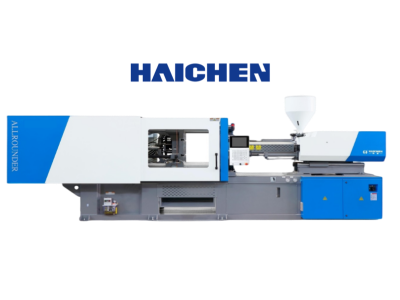
Haichen combines closed-loop thermal management, servo precision, multi-phase process optimization, and material-specific hardware to maintain optimal melt conditions across diverse polymers.
Send us e-mail to get more technical Support.