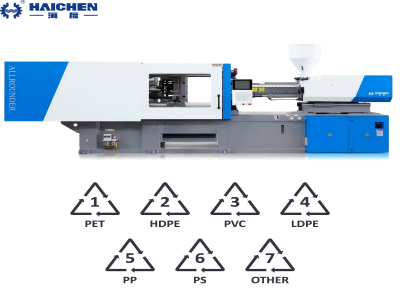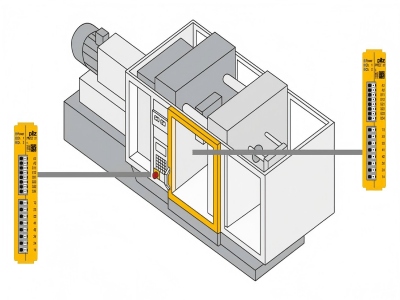
Plastic knife, fork spoon machine is a kind of injection molding machine specially used for producing plastic tableware such as knives, forks, and spoons.Before using an injection molding machine to process raw materials, you first need to customize injection molds of different sizes knife, fork, and spoon.A Plastic cutlery injection molding machine is a piece of equipment that processes molten plastic through a mold.
The molten plastic raw materials are then injected into the mold through an injection molding machine, resulting in the final product.Plastic knife fork spoons are used in a wide range of applications. It is produced by a plastic knife fork spoon injection molding machine. Plastic knife forks and spoon has many advantages.
One of the primary advantages of a plastic knife fork spoon is its convenience and portability.The second is durable, disposable plastic knife fork spoon is usually more durable than traditional tableware, less prone to breakage, and lasts longer.In addition, the third is environmentally friendly and biodegradable such as PP materials made of tableware with environmentally friendly and biodegradable characteristics.
Finally, it is easy to produce, the production process of plastic knife fork spoons is simple and does not require complex processes, reducing production costs and time.
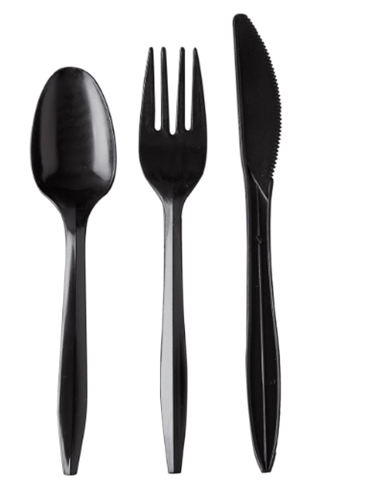
In this article, we’ll introduce the knife, fork, and spoon making machine. Including the knife and fork spoon production process, materials needed, how to choose the machine and mold, and knife and fork spoon machine and mold price.
How plastic knife, forks and spoon are made?
At first, the first step in the process is selecting the appropriate type of plastic resin for making the knife, spoon, or fork.
- Material preparation
- What is used to make plastic spoons?
- Melting and Injection
- Molding for Plastic knife, fork and spoon injection molding machine
- Cooling
- Ejection
- Trimming and finishing
- Packaging
Material preparation
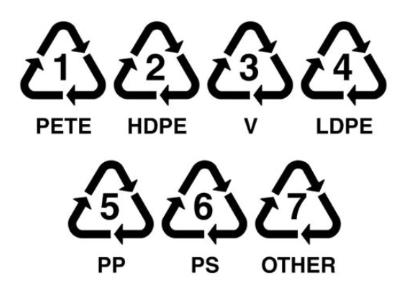
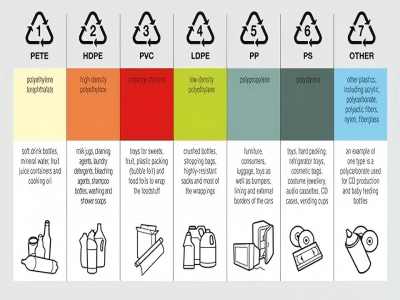
PP
Polypropylene (PP) is a type of polyolefin that is slightly harder than polyethylene. It is a commodity plastic with low density and high heat resistance. It finds application in packaging, automotive, consumer goods, medical, cast films, etc.
PC
PC material plastic spoons and forks with good light transmission, lighter than glass, low price, which can withstand -30 ℃ ~ 140 ℃ of temperature.
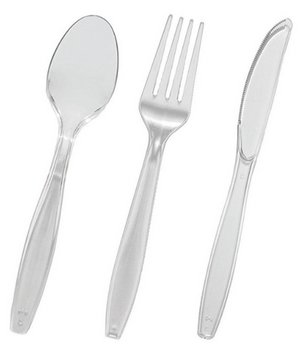
PE
Polyethylene (PE) is a versatile plastic commonly used in various industries, including cutlery production.
PE cutlery is known for its flexibility, making it ideal for disposable spoons and forks that require bending or scooping.
It is also resistant to chemicals and moisture, ensuring that the cutlery remains intact even when in contact with liquids or food substances.
Other plastics
In addition to PP, PC, and PE, other types of plastics can also be used in the production of cutlery, depending on specific requirements.
For example, ABS is a durable and impact-resistant plastic that is suitable for heavy-duty tableware applications.
What is used to make plastic spoons?
Generally, manufacturers use PP(Polypropylene) or PS(Polystyrene) materials to make plastic spoons, forks, knives.
Melting and Injection
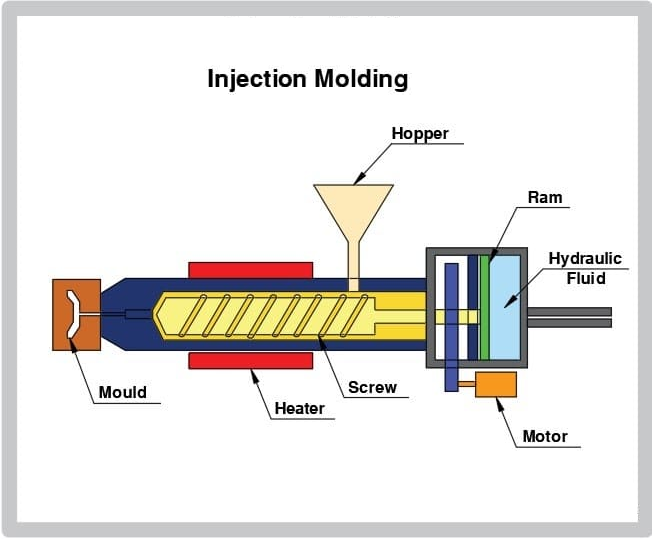
The selected plastic material is fed into a heated barrel of an injection molding machine, where it is melted under high temperature and pressure.
Once the plastic is molten, a screw mechanism injects the molten plastic into a mold cavity in the shape of a knife, fork, or spoon.
Molding for Plastic knife, fork and spoon injection molding machine
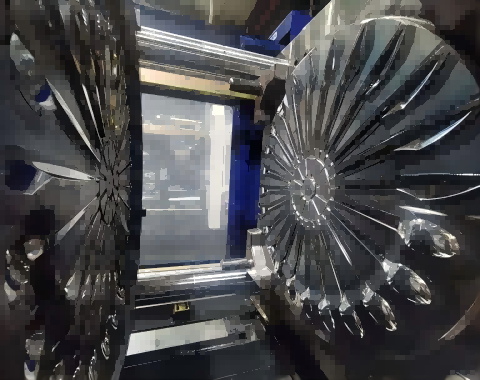
The mold is typically made of two halves that come together to form the shape of the fork. The molten plastic is injected into the mold cavity, where it takes the shape of a knife, spoon, or fork.
Cooling
After the plastic is injected and fills the mold cavities, the product is cooled and shaped inside the mold. At the same time, molds are designed with cooling channels to help speed up the cooling process.
Ejection
Once the plastic has cooled and solidified, the mold opens, and the newly formed plastic fork is ejected from the mold cavity.
Trimming and finishing
Once the cutlery is removed from the mold, additional trimming and retouching may be required. This includes the removal of excess plastic or flash that may form during the injection molding process. Trimming helps to achieve the ideal shape and smooth edges of the cutlery.
Packaging
At last, once the knife, spoon, and forks pass inspection, they are typically packaged for distribution and sale.
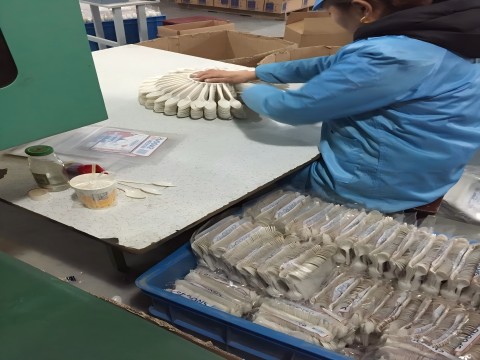
How are plastic spoons manufactured?
The manufacturing process of plastic spoons, like the steps above, involves multiple steps such as material preparation, injection molding, cooling and demolding, post-processing, packaging, and quality control. These steps ensure the quality and consistency of the plastic spoon while also increasing production efficiency.
- Advantages of injection molding machine
- High Efficiency
- Design Freedom
- Material diversity for Plastic knife, fork and spoon injection molding machine
- Precision and Consistency
- Cost-Effective
High Efficiency
Injection molding is more efficient as it can produce large quantities of tableware quickly, with high speed and productivity.
Design Freedom
The versatility of injection molding makes it possible to produce tableware with intricate designs, patterns, and textures.
Molds can be customized to include a variety of features and details, providing design freedom for manufacturers.
Material diversity for Plastic knife, fork and spoon injection molding machine
In fact, injection molding can accommodate a wide range of plastic materials, allowing manufacturers to select the most appropriate material for their specific tableware requirements.
Precision and Consistency
Injection molding ensures an accurate and consistent reproduction of the cutlery mold, resulting in a consistent shape and size of the final product. This is essential for maintaining the functionality and aesthetics of the tableware.
Cost-Effective
Once the molds are made, the production cost per unit of cutlery is significantly reduced, making injection molding a cost-effective manufacturing method for high-volume production.
What is a plastic fork knife spoon making machine?
- Haichen plastic injection molding machine units
- Optional for injection molding machine
Haichen plastic injection molding machine units
Full computer control system
The computer control system consists of a highly reliable computer, control modules with reliable performance, motor drives, and various sensors.
Injection unit
- Double rod injection structure, injection more stable.
- The injection cylinder and drive shaft are integrated to ensure the injection mechanism’s coaxial and straightness.
- Injection adopts high precision linear guide rail to reduce the load of storage stable back pressure.
Clamping unit
- Small diameter positioning hole, enhances the clamping force of the die cavity.
- European design style wide plate large modulus.
- The bottom of the template is enlarged, and the large-area contact runs smoothly.
- The mold shifting stroke is increased, which is suitable for deep cavity products.
Hydraulic unit
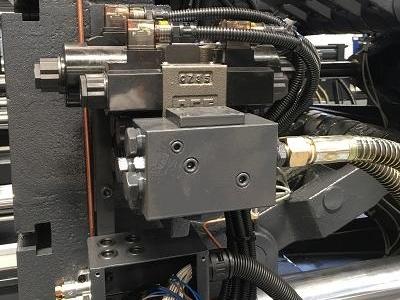
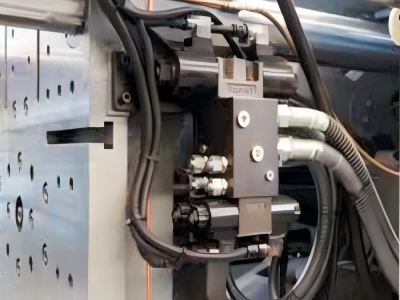
- Adopt imported multi-layer steel wire hose, withstand high-pressure 42MPa; High-pressure hose for oil pipeline adopts H-type interface.
- Large space servo electric cabinet heat dissipation effect is good, two groups of convection cooling fan effect is better.
Optional for injection molding machine
Plastic knives, forks, and spoons making machine
In fact, disposable plastic cutlery and spoons do not weigh much, generally no more than 5 grams. Therefore, the models of disposable plastic spoons and cutlery-making machines for the production of disposable plastic cutlery and spoons are between 230 tons-310 tons.
At the same time, when choosing the right disposable plastic spoon, fork, and knife making machine. For that reason, it is also necessary to consider whether the injection pressure of the machine can fill the mold cavity and whether the clamping force must be sufficient to suppress flash.
knives, forks, and spoons mold
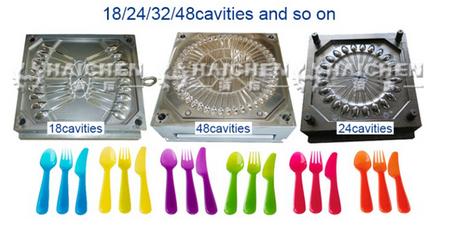
The molten plastic material is hydraulically injected under pressure into the mold to cool and form, and after the mold is opened, the knife, fork, or spoon product will be obtained.
The molds are customized. For that reason, different shapes and sizes of products require different molds.
The injection mold consists of two parts: the moving mold, which is mounted on the injection molding machine, and the fixed mold.
During injection molding, when the mold is opened, the moving mold and the fixed mold are separated to take out the plastic products.
About plastic spoon, knife, and fork making machine price
All in all, plastic Knife, fork, and spoon machines typically use 230T to 310T, depending on the size of the mold.
Therefore, the plastic injection molding machine’s price for making spoons, knives, and forks is according to the client’s request. We will choose a suitable machine model for clients.
SO we supply HAICHEN plastic injection molding machines, molds, and auxiliary equipment according to our customer’s requirements and offer customized and innovative solutions to meet their needs while providing excellent customer service and support.