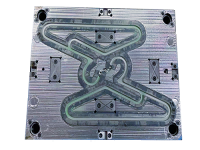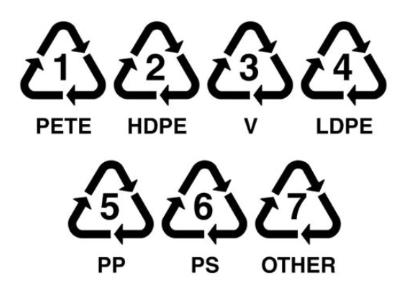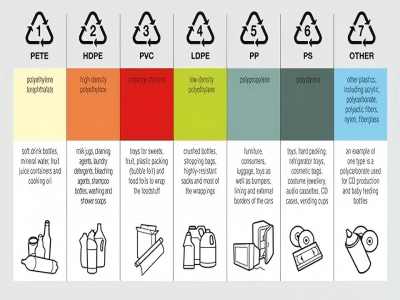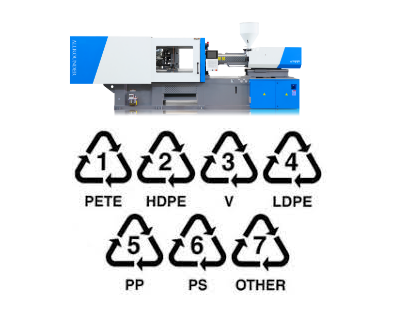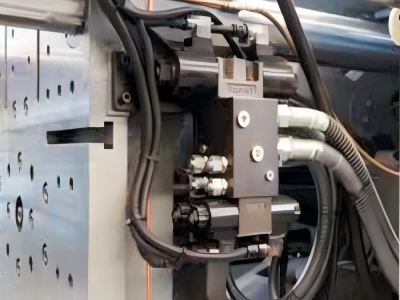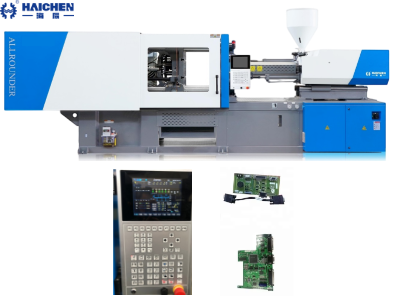
Plastic clothes hanger mould is a key tool used to produce plastic hangers, and its design and manufacturing process has an important impact on product quality and production efficiency.
A plastic clothes hanger (mould) is a mold used to make plastic clothes hangers.
Its main function is to inject molten plastic material into the mold cavity through the shape and structure of the mold.
And after cooling, form plastic clothes hangers with specific shapes and sizes.
Molds play a crucial role in the manufacturing process of plastic clothing hangers.
And are an important factor determining the appearance and quality of the final product.
Plastic clothes hanger mould type & design
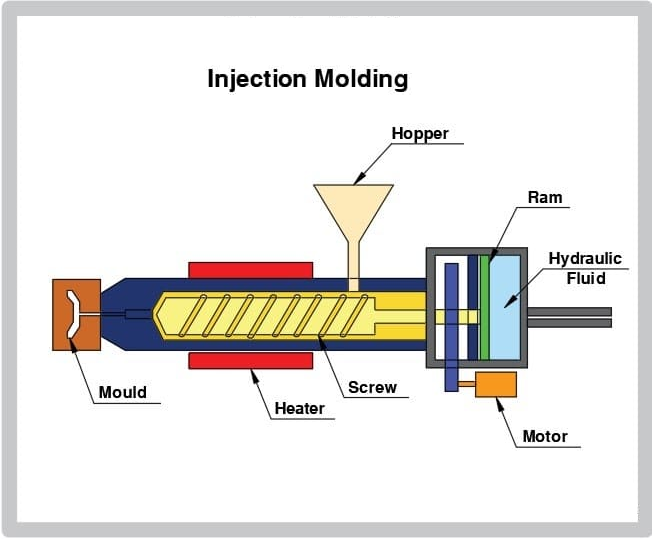
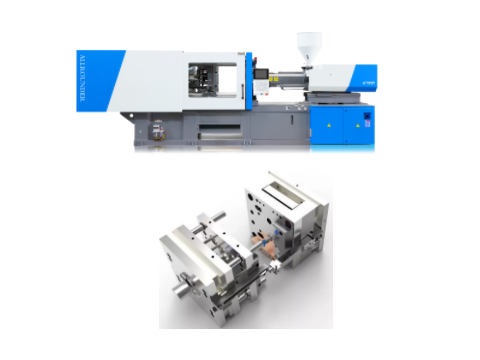
Clothes hangers are typically manufactured through an injection molding process that involves heating synthetic materials to a molten state.
And then injecting them into a mold cavity for compression and cooling, ultimately forming a hanger.
Multi-cavity molds, which means that one mold can produce multiple hangers at the same time, thus increasing production efficiency.
In some cases, the mold can also be designed into two parts to make it easier to operate and maintain during production.
Plastic clothes hanger mould, Material & Fabrication
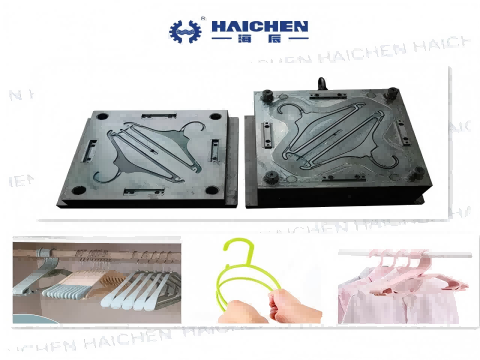
Plastic hanger molds are usually made of metal, such as stainless steel or aluminum alloy, which has good durability and heat resistance.
The design of the mold needs to take into account the shape, size, and functional needs of the hanger, such as the hook, shoulder, and trouser bar of the hanger.
Plastic clothes hanger mould production process
- Mold structure design
- Mold assembly
- Mold testing and optimization
- Quality control and inspection
Mold structure design
Design the cavity and core of the mold based on the product structure to ensure that it can accurately form the required product shape.
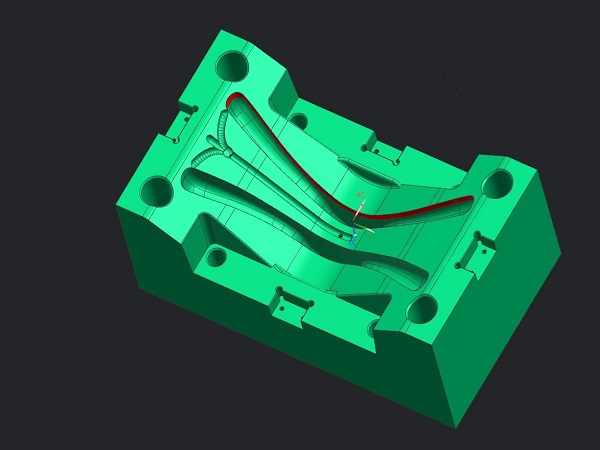
Mold processing
Use CNC machines to process molds, including rough machining, fine machining, drilling, tapping, etc., to ensure the accuracy and surface quality of the molds.
Mold assembly
Assemble the processed mold components in accordance with the design requirements to ensure the sealing and stability of the mold.
Mold testing and optimization
After the mold assembly, mold trial tests are necessary to check the forming effect, cooling efficiency and demolding performance of the mold.
Based on the test results, it may be necessary to optimize the mold.
Such as adjusting the gate position, the layout of the cooling system or the mold structure.
Quality control and inspection
The products are inspected in terms of appearance, size, strength, durability, etc., in accordance with relevant standards.
Such as GB/T 2828.1-2012, Q/JMCW 009-2017, etc., to ensure that they meet the quality requirements.
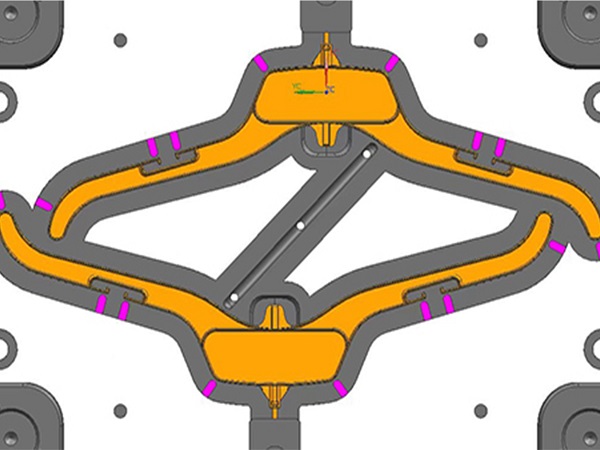
Application and customization of the Plastic clothes hanger mould
Manufacturers may actively tailor mold designs to meet specific requirements.
For instance, options range from fabricating color-varied hangers to adjusting their shapes and dimensions.
Furthermore, these customized molds enable the production of specialized hangers.
Such as those featuring non-slip coatings or rotatable hooks, through direct technical implementation.
Mold maintenance and management
In order to ensure the long-term use and efficient production of the mold, it is necessary to maintain and inspect the mold regularly.
The management and optimization of molds can significantly reduce production costs and improve product quality.
The latest design trends of the Plastic clothes hanger mould
- Application of environmentally friendly materials
- Customized production
- Intelligent function integration
- Structural optimization and strengthening
- Integrated molding
- Efficient production and quality control
- Standardization and technological innovation
Application of environmentally friendly materials
With the enhancement of environmental awareness, injection molds have begun to adapt to various new, environmentally friendly plastic materials.
Such as biodegradable plastics and recycled plastics.
These materials not only help to reduce environmental pollution, but also reduce production costs, in line with the trend of green manufacturing.
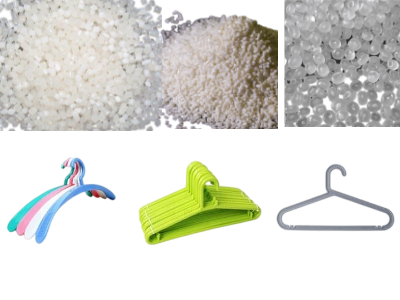
Customized production
Combined with digital design and manufacturing technology, injection molds can flexibly respond to the personalized customization needs of small batches and multiple varieties.
This allows consumers to customize their own plastic hanger products to meet their individual needs.
Intelligent function integration
Through injection molding, sensors, electronic components, etc., can be integrated into plastic hangers
And smart hangers with functions such as humidity monitoring, weight reminders, and wireless charging can be developed.
This integration of intelligent features greatly enhances the user experience.
Structural optimization and strengthening
Designers pay attention to the mechanical strength of the hanger in the mold design
And increase the durability of the hanger by designing stiffeners and grid structures on the inside or on the surface to prevent bending, twisting, and breaking.
At the same time, the mold can accurately shape details such as anti-slip strips and hanging holes to improve its convenience.
Integrated molding
Injection molds can realize the integrated molding of the main body of the hanger and hooks, non-slip mats, and other components.
Reduce the assembly process, enhance the firmness of the overall structure, and reduce the durability problems caused by poor assembly.
Efficient production and quality control
In the design and manufacturing process of injection molds.
The ability to achieve high precision and complex structures is emphasized to ensure efficient mass production and maintain product quality.
In addition, the durability and functionality of plastic hangers are further improved by optimizing the mold design, injection molding process and quality control.
Standardization and technological innovation
To meet the needs of large-scale mass production of plastic molding molds and shorten the mold manufacturing cycle.
The standardization of molds is very important.
There is a gap between China’s mold industry and developed countries in terms of design and manufacturing levels.
It is gradually narrowing the gap with the international advanced level through technological innovation.
Such as improving the design level of large, precise, complex, and long-life molds.
Strengthening the application of mold standard parts and promoting CAD/CAM/CAE technology.
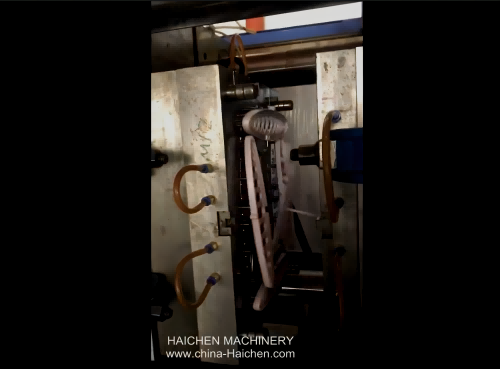
Plastic hanger mould
Plastic hanger mold is the core tool of plastic hanger production, and its design and manufacturing quality directly affect the performance and market competitiveness of the final product.
By optimizing the mold design and production process, the production efficiency can be effectively improved and the market demand can be met.