The maintenance procedure for a hydraulic system in injection molding includes regular inspection of hoses and fittings for leaks, checking fluid levels and quality, cleaning filters, and ensuring proper lubrication of moving parts to prevent wear and ensure consistent performance.
Disregarding the maintenance of hydraulic systems attached to injection molding machines can greatly impact the machines ability to function smoothly in addition to the quality of parts produced whilst also shortening the machines lifespan.
Missed maintenance periods will result in a machine that will function poorly along with a greater tendency of failure that will ultimately lead to very high repair costs.
This article serves as a maintenance protocol for hydraulic systems attached to injection molding machines focusing primarily on key practices to enhance operational standards.
On top of these practices, we will elucidate on how each maintenance task fulfills the purpose of sustaining the entire hydraulic system’s durability, efficiency, and productivity.
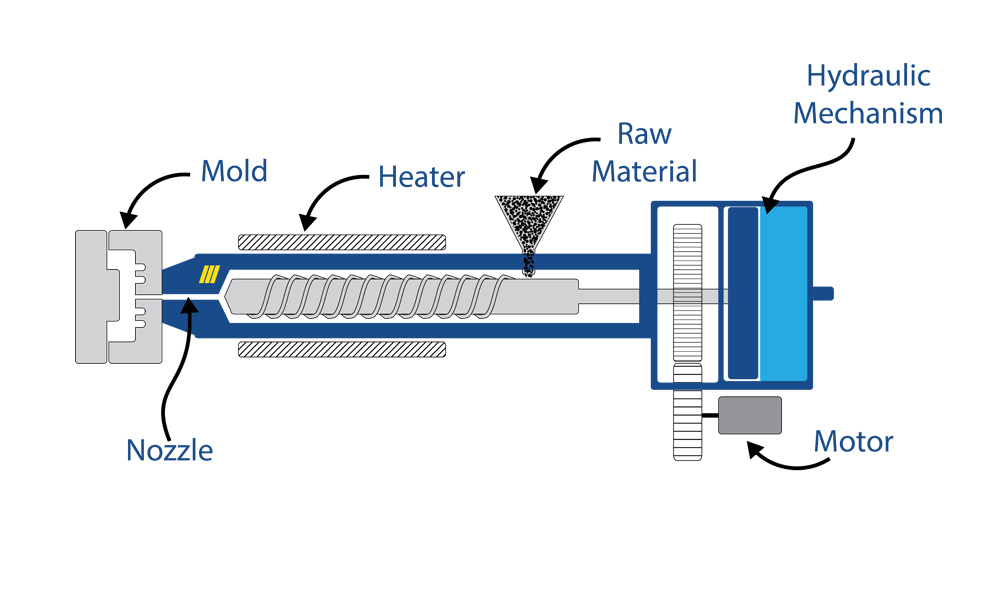
Maintenance procedure for a hydraulic system in injection molding
Maintaining a hydraulic system in an injection molding machine is crucial for ensuring its longevity, efficiency, and reliability. Here’s a comprehensive maintenance procedure:
- Regular Inspection
- Fluid Maintenance
- System Cleaning
- Pressure Checks
- Temperature Control
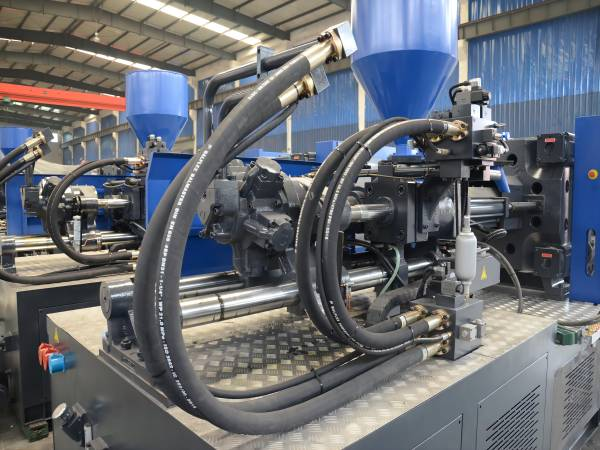
- Seal and Hose Maintenance
- Lubrication
- Electrical Components
- Record Keeping
- Training and Safety
- Sample Maintenance Schedule
Regular Inspection
- Visual Inspection: Search for holes, splits and signs of deterioration for hoses, seals, and fittings.
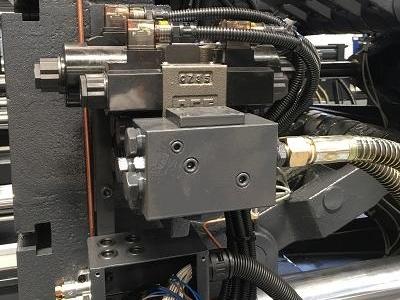
- Component Check: Look for defects and deterioration on hydraulic cylinders, valves, pumps, and motors.
Fluid Maintenance
- Oil Level: Constantly check and sustain the adequate quantity of hydraulic oil.
- Oil Quality:Watch for changes or contamination for circa. Change oil per manufacturer’s stipulations or when contamination is identifie.
- Filtration: Ensures filters are clean and replace as necessary. High-grade filtration is a must for effective contaminant removal.
System Cleaning
- Cleaning the hydraulic reservior should be done periodically and should have the sludge and other contaminants removed.
- If the system oil is being change, the heating system is flush with oil, or if there is dirty oil or sludge in the system, the system syeustem should be flushe.
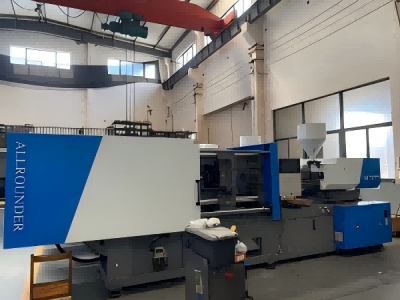
Pressure Checks
- Measure and adjust system pressure with system components.
- Relief valves should be remove, test, and adjust to make sure no stress remains in the system.
Temperature Control
- Cooling components make sure the oil is cooled. During Heat cycles, keep an eye so the hydraulic system does not have to bear too much load.
Seal and Hose Maintenance
- Maintain the hosing. Replace all damaged seals. Worn out or damaged seals should be change to prevent oil leakage.
- Hoses should be checked for signs of abrasions or wear throughout. All parts showing wear and degradation should be changed immediately.
Lubrication
- Motors and moving components have to be made sure that parts the servo valves make sure the motion of the device funtions with minimal obstruction.
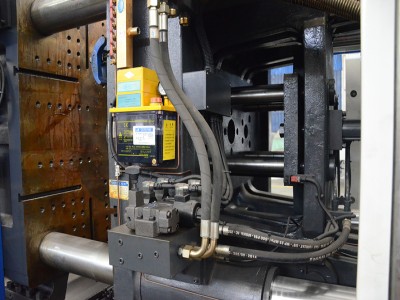
Electrical Components
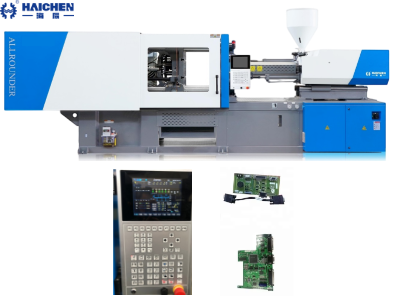
- All electrical connections to the sensors, solenoids, and other components, and their terminals should be checke for tightness.
- All worn out or broken electrical wires have to be change immediately.
Record Keeping
- Detailed activity reports should be kept for all forms of maintenance which include inspections, repairs, and or any replacements.
- Scheduled Maintenance: Maintenance which the machine manufacturer recommends, should be maintaine for adherence and compliance.
Training and Safety
- rain the operators on the maintenance area so as to understand the basic procedures and practice.
- Safety Checks: Safety devices and emergency stops should routinely be checke to ensure they are performing as require.
Sample Maintenance Schedule
- Daily: Oil levels should be checke, leaks should be inspecte and strange sounds should be listene for.
- Weekly: Hoses, seals and filters should be checke and system pressure should be monitore.
- Monthly: Reservoir should be clean, electrical connections checked and relief valves tested.
- Quarterly: Filters should be replaced, moving parts should be inspecte and lubricate, and system should be thoroughly checke.
- Annually: The system should be thoroughly inspecte, hydraulic oil replaced and the system flushed.
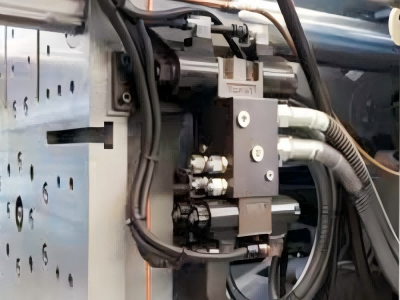
Haichen injection molding machine hydraulic system
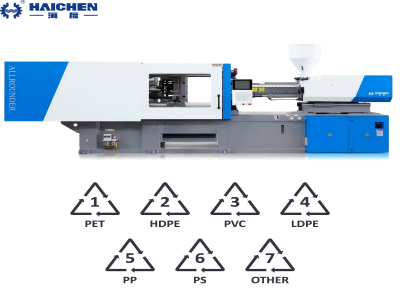
Injection molding machines are a product of Haichen which is a major supplier of various molding machines attuned to several manufacturing uses. Various industries like automotive, electronics and consumer goods as well as others are serve and value. The Marken injection molding machines have reliable hydraulic systems which are essential in achieving the required high pressure and precision for the injection molding procedure. We encourage and welcome consultations to offer more insight.
Key Features of Haichen Injection Molding Machines
- High Precision: Advanced control systems ensure precise operation and high-quality moldings.
- Energy Efficiency: Designed to minimize energy consumption while maintaining high performance.
- Durability: Robust construction ensures long service life and reliability.
- Versatility: Suitable for a wide range of materials and molding sizes.
- Automation Integration: Compatible with various automation systems to enhance productivity.
For injection molding machines, regular maintenance of the hydraulic system is crucial to achieving consistent performance, machine longevity and quality of the manufactured parts. If the steps and best practices outlined in this guide are follow, the system failures, production efficiency, and hydraulic system longevity will all be improve.