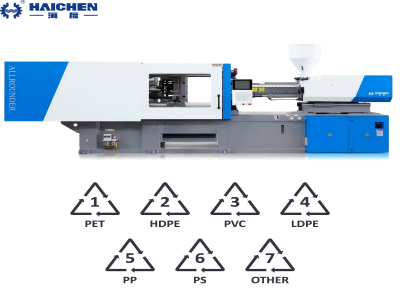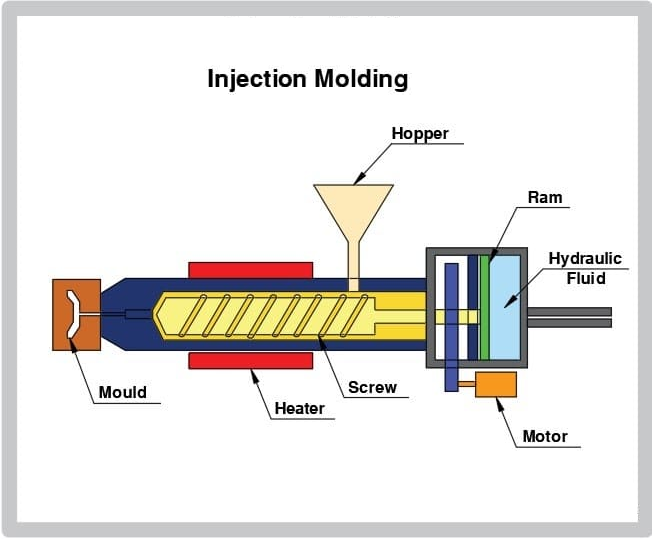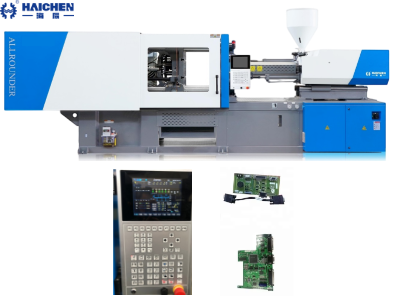
Injection molding material selection guide includes physical characteristics, chemical stability, processing performance and so on.
Injection Molding Material selection is a crucial step in the injection molding process, which directly affects the performance, function and cost of the product. Selecting the right material requires considering many aspects, including the material’s mechanical properties, thermal properties, chemical properties, cost, availability and processing conditions.
The selection of injection molding materials is a complex and critical process that requires consideration of multiple factors, including the physical properties, chemical stability, processing performance, and application requirements of the final product. The following is a detailed injection molding material selection guide:
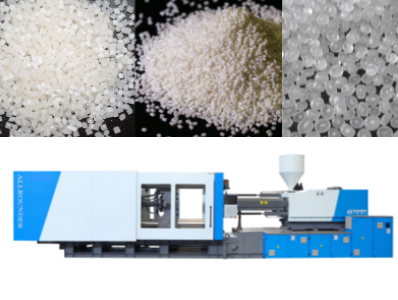
Material classification and characteristics
Injection molding materials mainly divided into two categories: thermoplastic and thermosetting plastics. Thermoplastic plastics undergo plastic deformation after heating and can be reused after cooling, while thermosetting plastics cannot melt again after curing.
Thermoplastic plastics
- Polypropylene (PP): it with excellent heat resistance, impact resistance, and chemical corrosion resistance. This widely uses in food grade products and automotive components.
- Polycarbonate (PC): this with excellent impact strength, thermal stability, and toughness. It is suitable for outdoor applications.
- Nylon (PA): It has good mechanical properties and chemical resistance. And this commonly uses in engineering plastics.
Thermosetting plastics
- Phenolic resin: it has good electrical insulation and heat resistance, but is difficult to process.
- Epoxy resin: has high strength and chemical resistance, but is usually used for special applications
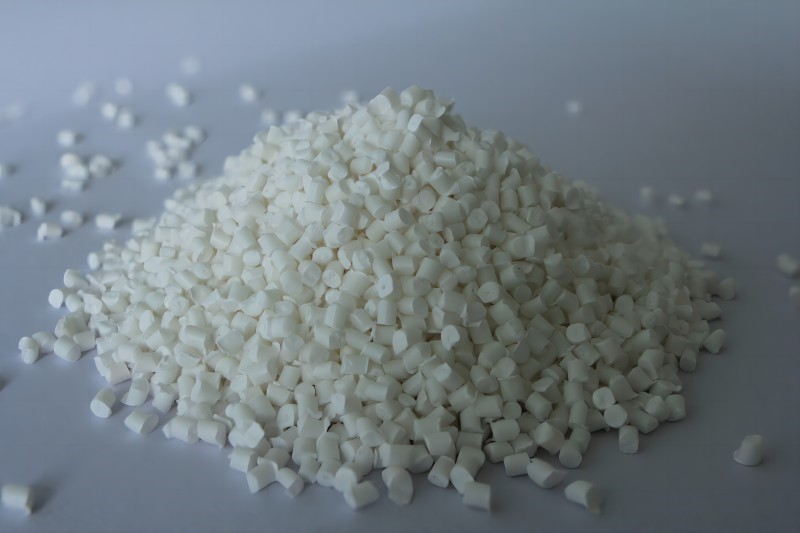
Material selection criteria
When choosing injection molding materials, it is necessary to consider the following aspects comprehensively:
Functional Requirements
- Mechanical Performance: Select materials based on the component’s load-bearing and stress-bearing scenarios (e.g., high loads require high-tensile-strength materials).
- Impact Resistance: ABS and PC are preferred for products prone to drops (e.g., electronic product housings).
- Stiffness/Flexibility: Structural parts require high-modulus materials (e.g., PEEK), while flexible parts use TPE.
- Thermal Performance: High-temperature environments (e.g., car hoods) require heat-resistant materials (PPS resistant to 240°C, LCP resistant to 220°C).
- Chemical Performance: Corrosion-resistant materials are required for chemical exposure (e.g., PP resistant to acids and alkalis, PPSU resistant to solvents).
- Electrical Performance: PC and PE are selected for insulating components; materials filled with conductive particles are used for electrical conductivity.
Environmental Adaptability
- UV/Outdoor Use: Avoid ABS (easily degraded) and choose ASA or materials with added UV stabilizers.
- Humidity Impact: Nylon easily absorbs moisture and deforms; for high-humidity environments, use PP or POM instead.
- Biocompatibility: Medical devices require FDA-certified materials (such as medical-grade PEI and PPSU).
Appearance and Surface Treatment
- For transparent parts, choose PC or PMMA; for surfaces requiring painting or plating, choose ABS (for better adhesion).
- For surfaces requiring high texture, choose a semi-crystalline material (such as PP).
Cost and Production Efficiency
- Material Cost: For high-volume products, prioritize low-cost materials (such as PP and PE).
- Shortening Cycle Time: Choose materials with good flowability (e.g., ABS cools faster than PC).
- Reducing Waste: Avoid high-viscosity materials (e.g., unmodified PEEK).
- Sustainability: Use PET (recyclable) for food packaging; choose bio-based plastics for environmentally friendly products.
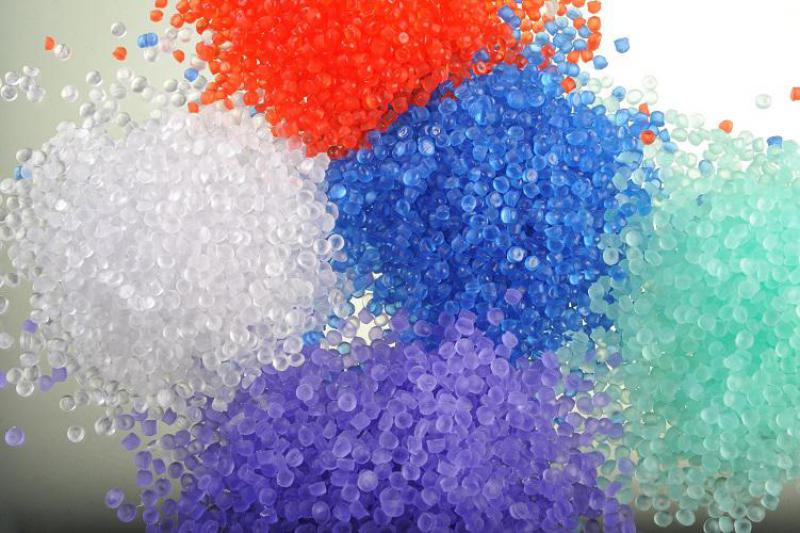
Physical Characteristics
Strength and stiffness
Select appropriate materials according to the specific requirements of the product. For example, long strip thin products such as air conditioning fan blades require a certain level of strength and rigidity.
Heat and cold resistance
Materials such as nylon and PPS have good heat and cold resistance and are suitable for environments with large temperature changes.
Mechanical Properties
- Strength: This includes tensile strength (resistance to breaking), flexural strength (resistance to bending), and compressive strength (resistance to crushing). High-load components (such as structural parts) require high-strength materials (such as PEEK and nylon).
- Toughness: Impact resistance, crucial for products prone to drops (such as electronic housings).
- Hardness and Rigidity: Highly rigid materials (such as POM and PPS) are suitable for precision gears, while flexible materials (such as TPE and TPU) are suitable for seals.
Thermal Properties
- Heat Resistance: Components in high-temperature environments (such as under-the-hood automotive parts) require highly heat-resistant materials (e.g., PEEK is resistant to temperatures >240°C, while PP is only resistant to moderate temperatures).
- Thermal Stability: The dimensional stability of a material under temperature fluctuations. Semi-crystalline materials (such as POM) are generally superior to amorphous materials (such as ABS).
Chemical Properties
Chemical Resistance: When exposed to chemicals or solvents, PP, PE, or PPS (all marked “High” for chemical resistance) are preferred.
Low Water Absorption: In humid environments, nylon easily absorbs water, causing performance degradation, while PPS and PEEK have low water absorption.
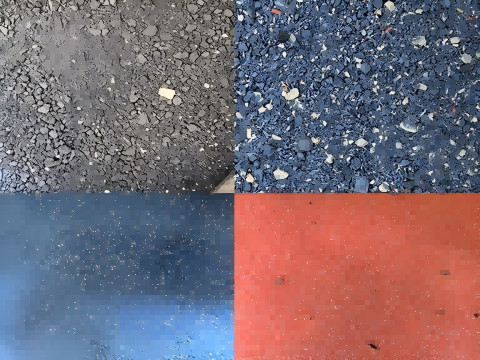
Injection molding material selection guide: Chemical stability
- Chemical corrosion resistance: Materials such as PC and PPS have good chemical stability and are suitable for applications that come into contact with chemicals.
- Biocompatibility: Materials used in medical devices must have biocompatibility and sterilization compatibility.
Processing performance
- Liquidity: The fluidity of injection molding materials directly affects the molding effect. For example, excessive wood fiber content in wood-plastic composites can affect fluidity.
- Molding temperature and time: The optimal barrel temperature range for PEEK is 360-400 ℃. And the molding time needs to be adjusted according to the specific process
Cost and Availability
- Economy: Choose cost-effective materials while considering the cost-effectiveness of long-term cooperatio.
- Raw material availability: Ensure that the selected materials are easily available in the market and have a stable supply chain
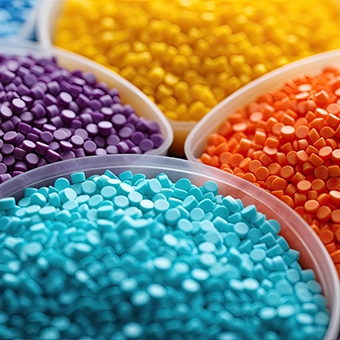
Material selection in special applications
Medical Applications
Medical injection molding typically uses materials with biocompatibility, sterilization compatibility, and chemical stability, such as polypropylene (PP), polycarbonate (PC), and thermoplastic elastomers (TPE).
Automotive Applications
Automotive parts typically require materials with high strength, impact resistance, and chemical corrosion resistance, such as polycarbonate (PC), nylon (PA), and polyphenylene sulfide (PPS).
Home Appliance Applications
Home appliances typically require materials with good mechanical properties and resistance to environmental factors, such as polypropylene (PP), polycarbonate (PC), and ABS alloy.
Haichen plastic injection molding machines
Choosing suitable injection molding materials requires comprehensive consideration of multiple factors such as physical properties, chemical stability, processability, cost, and availability. Through scientific screening and optimization, the quality and performance of injection-molded products can be ensured to meet design requirements.
The selection of injection molding materials is a process that comprehensively considers multiple factors.
We, Haichen as one of the injection molding machine manufacturers will try our best to help our customers in selecting the most suitable materials for specific application needs more effectively by combining traditional experience with modern technology.
Our headquarters is centrally located in Ningbo and is an injection molding machine production factory that integrates production, sales, and after-sales service. Haichen machine is fully equipped to support sales, service, mold trials, customer training, maintenance