The meaning of the plastic recycling symbols needs to be correctly interpreted, along with their structure, the meaning of the numbers, and the local recycling policies so that one can understand them. There are a lot of recycling symbols, and if you don’t know what they mean, you might be thrown for a loop. So we’ll focus on how these peculiar numbers hint at what type of plastic it is and what they mean for recycling. Knowing what these symbols represent will help you reap fewer wastes and lower your carbon footprints in your environment.
Whether you are using acrylic, polypropylene, you need to pay attention to the numbers within those ‘chasing arrows’ since they indicate what type of plastic is being used and whether it is something that can be dropped into recycling bins.
Reading the Plastic Recycling Symbols will be of some help to your work and life if you are a consumer of plastic products or interested in recycling and reproduction.
Plastic recycling logo reading
Here’s a step-by-step breakdown:
- Identify the Symbol’s Basic Structure
- Decode the Numbers and Plastic Types
- Check Local Recycling Rules
- Key Tips
- Action Steps
Identify the Symbol’s Basic Structure
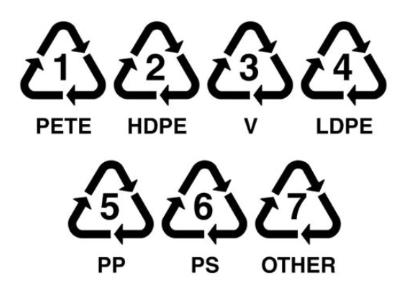
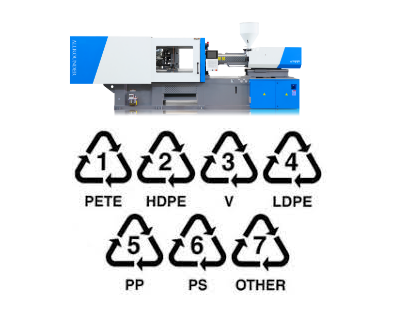
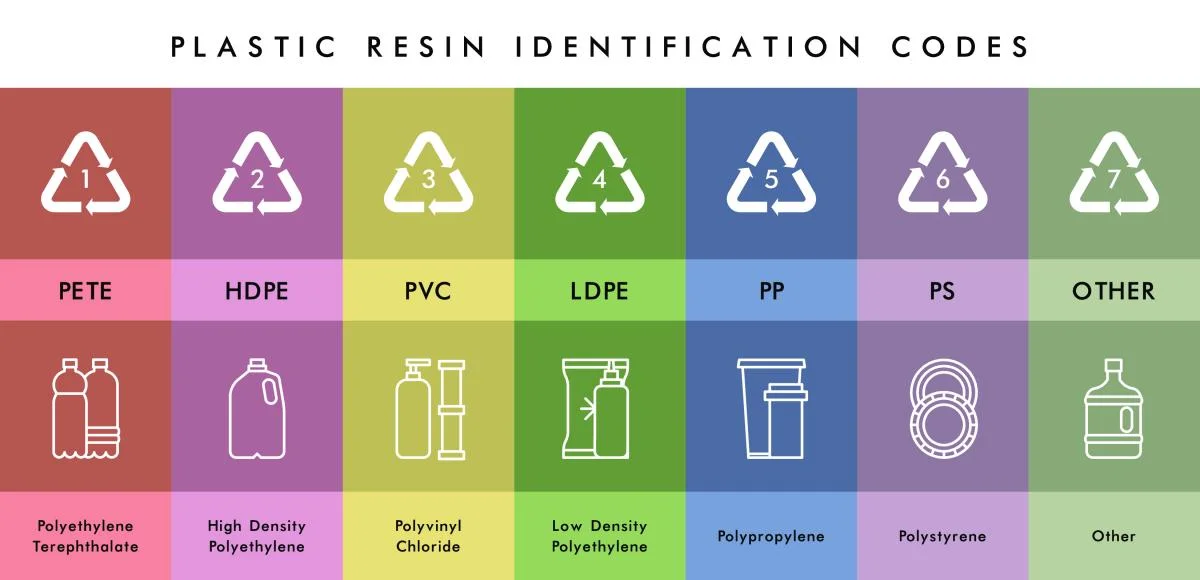
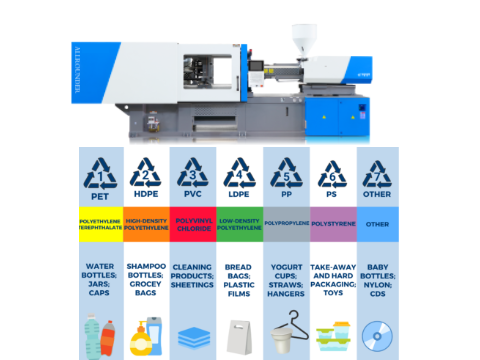
Plastic recycling symbols consist of a triangular chasing arrows symbol with a number (1–7) inside. This is called the Resin Identification Code (RIC), developed by the U.S. Society of the Plastics Industry in 1988 to help recycling facilities sort plastics by resin type.
Decode the Numbers and Plastic Types
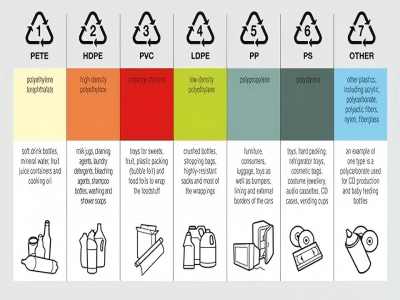
Each number represents a specific plastic material and its properties:
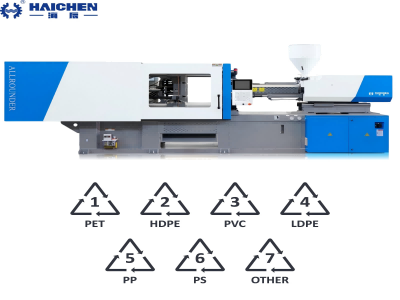
- #1 (PET/PETE): Polyethylene terephthalate. Used in water bottles, soda bottles, and food containers. Highly recyclable into fibers or new containers.
- #2 (HDPE): High-density polyethylene. Found in shampoo bottles, milk jugs, and detergent containers. Durable and widely recycled into pipes, toys, or plastic lumber.
- #3 (PVC/V): Polyvinyl chloride. Used in pipes, credit cards, and cling films. Contains chlorine, making recycling difficult; rarely accepted.
- #4 (LDPE): Low-density polyethylene. Used in grocery bags, cling wrap, and squeezable bottles. Flexible but rarely recycled due to processing challenges.
- #5 (PP): Polypropylene. Found in yogurt containers, bottle caps, and straws. Heat-resistant; recycled into automotive parts or bins.
- #6 (PS): Polystyrene. Used in foam packaging, disposable cups, and takeout containers. Fragile and rarely recycled; banned in some regions.
- #7 (OTHER): Miscellaneous plastics (e.g., polycarbonate, bioplastics). May contain BPA; check local guidelines for recycling.
Check Local Recycling Rules
- Recycling acceptance varies by region. For example, #1 and #2 are widely recycled, while #3–#7 depend on local facilities.
- Some areas only recycle specific forms (e.g., bottles), while others exclude films (e.g., #4 plastic bags).
Key Tips
- Clean and Sort: Rinse containers to remove residue and separate lids/labels if required.
- Symbol Limitations: RIC was designed for industry use, not consumers. Newer systems (e.g., How2Recycle labels) are emerging but not yet universal.
- Safety: Avoid reusing or heating plastics labeled #3 (PVC) or #7 (BPA-containing products), which may release toxins.
Action Steps
- Look for the triangular symbol and number on plastic items (usually on the bottom).
- Cross-reference your local recycling guidelines (government websites or recycling center info).
- Sort and dispose of plastics accordingly to avoid contamination.
By following these steps, you can improve recycling efficiency and reduce environmental harm. Remember: Proper sorting is key to a functional recycling system!
What is plastic symbol meaning?
The plastic symbols refer to triangular logos printed on plastic products, containing numbers 1 to 7 inside, indicating the type and composition of the plastic. This system, called the Resin Identification Code (RIC), was established by the U.S. Society of the Plastics Industry (SPI) in 1988 to help consumers and recycling facilities identify plastic materials.
- Structure and Meaning of the Symbols
- Key Considerations
Structure and Meaning of the Symbols
- Triangular Arrows: The three-arrowed triangle is often mistaken for a “recyclable” symbol. However, it only identifies the resin type, not recyclability.
- Numbers (1–7): Each number corresponds to a specific plastic:
- 1 (PET/PETE): Polyethylene terephthalate (e.g., beverage bottles, food containers). Recyclable but designed for single use; may release antimony at high temperatures.
- 2 (HDPE): High-density polyethylene (e.g., milk jugs, detergent bottles). Safe and widely recycled.
- 3 (PVC): Polyvinyl chloride (e.g., pipes, cling film). Contains chlorine and phthalates; releases toxins and is rarely recycled.
- 4 (LDPE): Low-density polyethylene (e.g., plastic bags, food wraps). Safe but rarely recycled.
- 5 (PP): Polypropylene (e.g., microwave-safe containers, medicine bottles). Heat-resistant and safe.
- 6 (PS): Polystyrene (e.g., foam cups, takeout containers). Releases carcinogenic styrene; difficult to recycle.
- 7 (Other): Includes polycarbonate (BPA-containing plastics) and mixed resins. Often non-recyclable and may contain endocrine disruptors.
Key Considerations
- Recyclability: The symbol does not guarantee recyclability. Only #1 (PET) and #2 (HDPE) are widely recycled; others depend on local policies.
- Safety: Prioritize #1, #2, #4, and #5 plastics. Avoid #3, #6, and #7 due to toxic chemicals.
- National Standards: Countries like China use standards (e.g., GB/T 1844) to regulate symbols, clarifying abbreviations and material types.
The plastic symbols primarily identify resin types, not environmental safety or recyclability. Proper identification aids informed use and recycling, but always check local guidelines and prioritize safer, recyclable plastics.
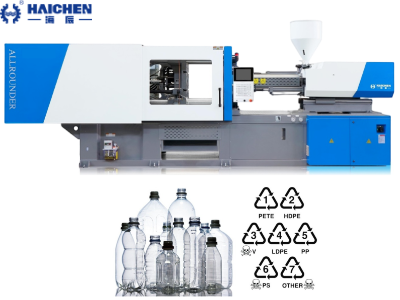
What are the 7 plastic recycling symbols?
- PET or PETE (Polyethylene Terephthalate)
Symbol #1: Found in beverage bottles (e.g., water, soda bottles) and food containers. Lightweight and widely recycled, it is repurposed into fibers for clothing, carpets, or new containers. - HDPE (High-Density Polyethylene)
Symbol #2: Used for thicker containers like milk jugs, detergent bottles, and shampoo bottles. Highly resistant to chemicals; recycled into outdoor furniture, pipes, and plastic lumber. - PVC (Polyvinyl Chloride)
Symbol #3: Common in plumbing pipes, credit cards, and medical devices. Contains chlorine and additives, making it difficult to recycle. Burning PVC releases toxic fumes. - LDPE (Low-Density Polyethylene)
Symbol #4: Found in soft, flexible packaging like grocery bags, cling wrap, and squeezable bottles. Recyclable in specialized programs but often rejected by curbside recycling. - PP (Polypropylene)
Symbol #5: Used for yogurt containers, straws, medicine bottles, and bottle caps. Heat-resistant and durable; recycled into automotive parts, bins, and garden tools. - PS (Polystyrene)
Symbol #6: Includes foam packaging (Styrofoam), disposable cups, and takeout containers. Fragile and rarely recycled due to high costs and low market demand. - OTHER (Miscellaneous Plastics)
Symbol #7: A catch-all category for plastics like polycarbonate (PC), bioplastics (e.g., PLA), and nylon. Most are not recyclable, though some specialty programs may accept them. Note: Polycarbonate may contain BPA.
Key Notes:
- The ♻️ triangle symbol identifies the resin type, not recyclability.
- Recycling rules vary by region—check with local facilities for guidelines.
Understanding these symbols helps reduce contamination and supports sustainable waste management. 🌍
Contact Haichen let us know if you need further clarification! 😊