manufacture plastic spoons typically involves steps such as material selection, injection molding, mold design, quality control, and packaging.
Plastic spoons can be found everywhere in our lives, whether at home or in fast food restaurants, and are very convenient to use.
When making this type of spoon, workers first select food-grade plastic particles as raw materials. Then pour the particles into the injection molding machine and use a mold of a specific shape to press out the shape of the spoon to ensure that each spoon is exactly the same. Finally, check for defects, and those that meet the requirements are packaged and shipped away.
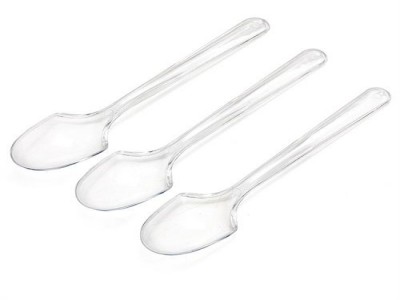
Plastic Spoon Manufacturing Process Overview
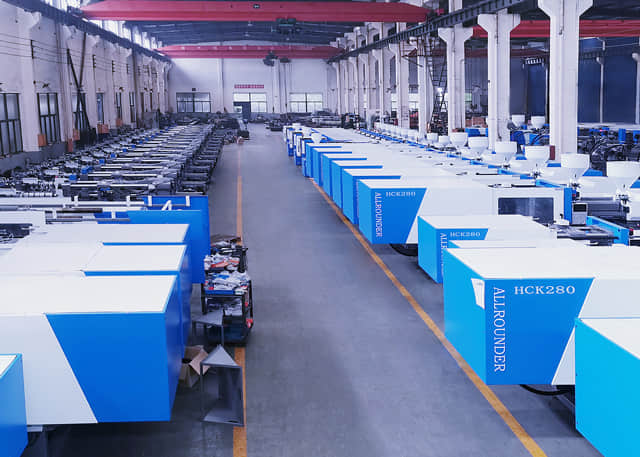
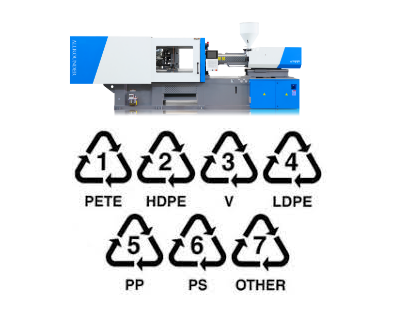
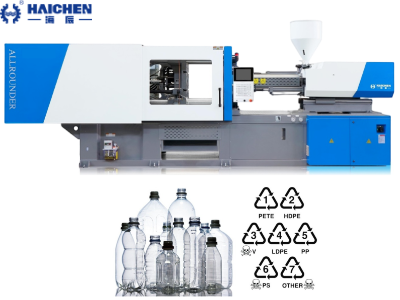
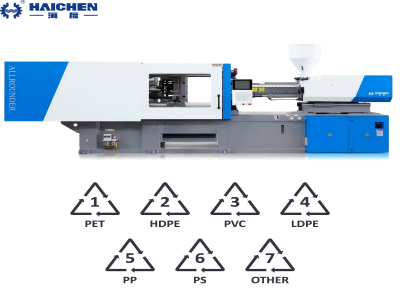
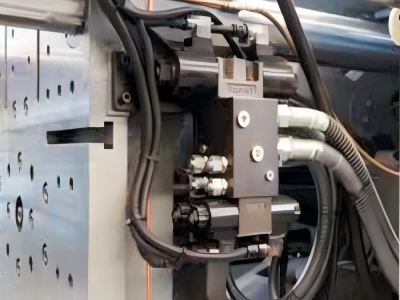
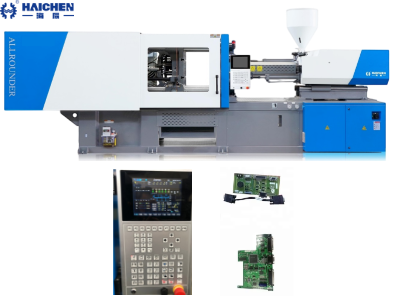
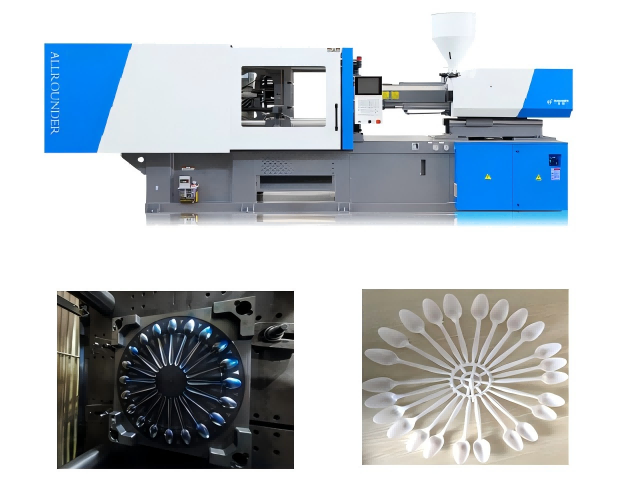
The vast majority of disposable plastic spoons we use in our daily lives are produced through injection molding. This method has high efficiency and large output, and is a mainstream practice adopted by many manufacturers, including equipment suppliers such as Haichen. Taking Haichen’s plastic spoon injection molding machine as an example, we can see how this technology operates specifically:
Raw material pretreatment stage
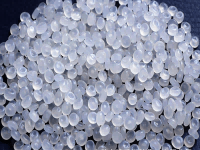
The operator first places the polypropylene (PP) particles in a drying equipment at 70-110 ° C to remove moisture. If it is necessary to adjust the color of the finished product, a specific proportion of color masterbatch will be added for color adjustment at this stage.
Injection molding
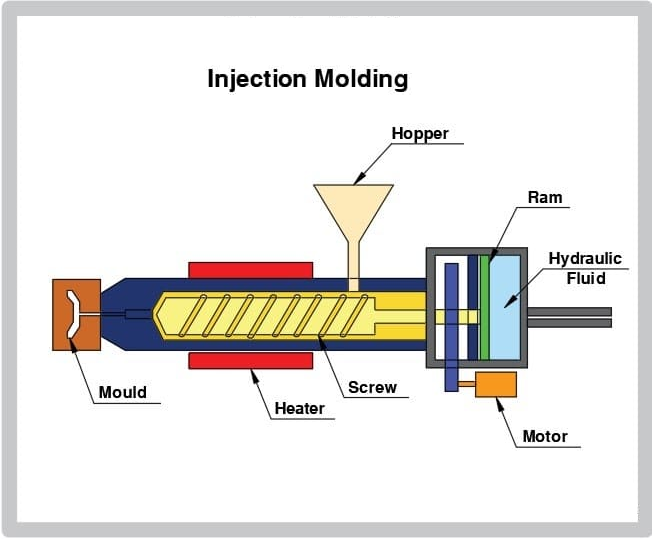
The operator pours dry plastic pellets into the hopper of the injection molding machine. These particles gradually melt into liquid form in a heating drum at 170-200 ℃. Subsequently, the machine injects molten plastic into the mold through high pressure
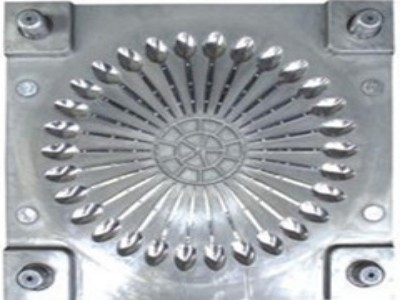
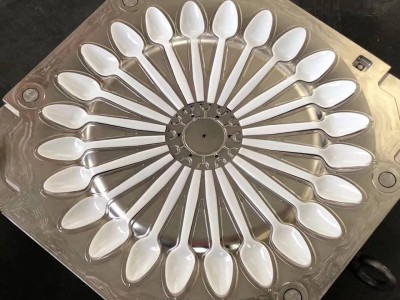
This set of molds adopts a multi cavity structure (such as containing 64 independent cavities), allowing the equipment to simultaneously shape dozens of spoons in a single injection molding cycle.
Automated processing
After injection molding, the robotic arm will actively remove the spoon blank, and then the cutting table will separate the spoon handle from the spoon head, without the need for manual intervention throughout the process.
Quality inspection and packaging
The workers will take samples, carefully inspect the size of the products, and test their strength. Only products that meet the requirements will be sent to the packaging line and transported by conveyor belt to complete the final sealed packaging.
Our equipment can produce 8000 to 15000 spoons per hour, making it particularly suitable for meeting large-scale daily spoon needs. Haichen injection molding machine adopts servo energy-saving technology to reduce power consumption through precise control of energy consumption; At the same time, the workshop is equipped with a ventilation system with 20 air changes per hour, effectively reducing the impact of production waste gas on the environment.
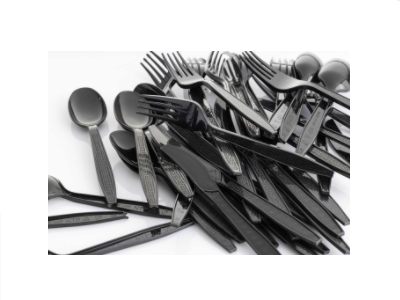
Plastic Spoon Manufacturing Process and Materials
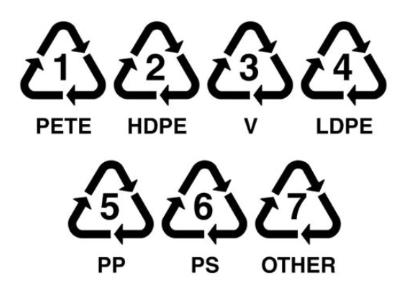
The production of plastic spoons starts with material selection. Factories usually use polypropylene (PP) or polystyrene (PS) that meet food safety standards as raw materials. In modern production lines, workers first heat plastic particles to a molten state (PP materials require 165-200°C), and then inject them into a special spoon mold under high pressure. After rapid cooling and shaping, the robotic arm will automatically take out the molded spoon and separate the connected handle parts through a cutting device, with almost no manual operation required throughout the process.
The entire production process focuses on efficiency and quality:
- Raw material processing: Plastic particles need to be pre-dried (PP particles are dehumidified at 110°C) and mixed with dyed masterbatches;
- High-speed injection molding: Multi-cavity molds can produce 64 spoons at a time, greatly increasing production capacity;
- Quality control: Each batch of products must be screened for defects such as burrs and cracks through a visual inspection system;
- Sanitary packaging: Automatic conveyor belts send qualified spoons to the sealed packaging line to avoid secondary contamination
Raw material selection and pretreatment
Common materials
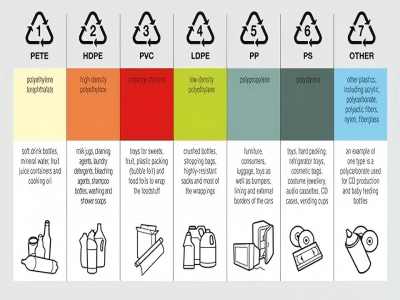
- Polypropylene (PP): The industry’s preferred material (accounting for more than 80%), with high rigidity, easy sterilization and chemical corrosion resistance, 110°C drying temperature can effectively dehumidify.
- Polyethylene (PE): Better flexibility, suitable for spoon handle design that needs to be resistant to bending.
- Degradable materials (PLA, etc.): Environmentally friendly alternatives, require strict temperature control (130-190°C) to prevent thermal degradation.
- Food-grade silicone: selected for high-end products, resistant to 480°C high temperature and no risk of bacterial residue.
Pretreatment process
- The raw material particles are dried by hot air drying system to remove moisture (PP needs to be treated at 110°C for 4 hours)
- Add masterbatch or plasticizer to achieve customized color matching, and use high-speed mixer to ensure uniform dispersion
- Biodegradable materials need nitrogen to protect the environment and prevent oxidation
Core molding process: injection molding
Equipment system composition
| Hopper→ | Heating cylinder→ | Screw mechanism→ | Mold system→ | Ejector device→ | Robotic arm |
- Key parameters of injection molding machine: clamping force 80-300 tons, injection pressure 70-150MPa
- Mold temperature control accuracy ±1°C, cooling time accounts for more than 60% of the cycle
Injection molding process
| Stage | Temperature control | Pressure control | Time control |
| Melting | 170-200°C | Back pressure 0.5-1.5MPa | 30-90 seconds |
| Injection | 180-220°C | 70-130MPa | 2-10 seconds |
| Pressure holding | Temperature drop 10% | Injection pressure 50-70% | 5-15 seconds |
| Cooling | 20-60°C | – | 15-30 seconds |
Key points of mold technology
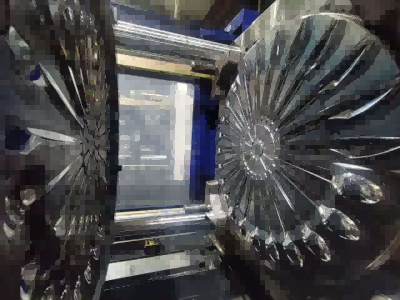
- In mold design, a 64-cavity mold structure means that 64 products can be molded simultaneously in each production (64 pieces per time), and the durability of this mold can usually reach 300,000 to 1 million production cycles.
- In terms of runner system selection, although the cold runner has a lower manufacturing cost, it will produce about 15% of plastic waste (mainly runner condensate); while the hot runner system can avoid material waste, its equipment cost will be about 30% higher than the cold runner.
- To improve the demolding effect, the mold surface needs to be treated with two key treatments: one is mirror polishing (surface roughness Ra≤0.1μm), and the other is chrome plating.
- In terms of steel selection, P20 steel is a common material for conventional molds, while S136 stainless steel is more suitable for production scenarios that require corrosion resistance, such as processing corrosive plastics such as PVC.
Post-processing and finishing
Automated finishing
The robotic arm takes out the spoon body array, and the laser cutting system separates the one-piece spoon handle (accuracy ±0.1mm)
Vibration grinding to remove burrs and avoid breakage caused by manual handling (breakage rate <0.5%)
Surface treatment
Spraying of food-grade silicone oil improves surface smoothness
UV printing technology makes the logo washable (in line with the migration standard of GB 4806.7)
Heat treatment optimization
Annealing treatment: slow cooling in 100-120°C environment for 4 hours to eliminate internal stress
Humidity adjustment treatment: PLA material requires 121°C steam equilibrium moisture content
Packaging and storage
Automated packaging line
Visual counting system + heat sealing packaging machine, speed 200 pieces/minute
Medical grade PE bag sealing, ethylene oxide sterilization (medical spoon)
Storage specifications
Store away from light (illuminance ≤300lux), relative humidity 40-60%
Stacking height ≤2.5 meters to prevent deformation, shelf life 3 years
Environmental protection and innovative technology
Sustainable manufacturing
Waste recycling granulation system, utilization rate of 95%
Solar-powered injection molding machine reduces carbon emissions by 30%
Process innovation
Micro-foam injection molding: reduce weight by 20% and maintain strength
Nano-composite technology: Add TiO₂ to improve antibacterial performance
Haichen Machinery: Elevating the level of manufacture plastic spoons with precision and innovation
Haichen Machinery focuses on the research and development and production of plastic spoon manufacturing equipment, helping customers improve production standards through technological innovation. Since its establishment in 2005, we have provided equipment support to manufacturers in more than 90 countries and regions around the world, especially in the field of precision injection molding technology.
Our equipment can significantly simplify the production process of plastic spoons:
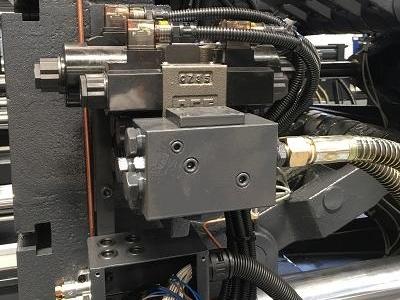
- Improve efficiency: Optimize the hydraulic system to shorten the production cycle by 30%, while being compatible with 25% recycled materials and reducing raw material costs
- Ensure quality: Real-time temperature control system ensures that each batch of products meets food safety standards and meets the procurement requirements of supermarkets and catering chains
- Green production: Through energy consumption optimization design, help customers obtain environmental certification and balance economic benefits with sustainable production
Plastic spoon manufacturing involves key links such as raw material screening, injection molding, and surface treatment. Each step directly affects the durability and hygiene safety of tableware. Our solution solves industry pain points from three dimensions:
- Precision mold design ensures product consistency
- Automated production line reduces manual intervention
- Full process quality monitoring system reduces defective rate