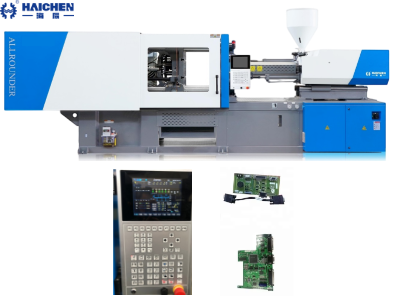
Plastic box production steps include design, mold making, material selection, injection molding, cooling, ejection, finishing, and quality control.
Plastic boxes are popular in many industries because they’re tough, light, and can be used in lots of ways.
Making them usually involves injection molding – a method that’s efficient and gives reliable results every time.
In this piece, we’ll take you through how plastic boxes are made step by step. We’ll point out important things to keep in mind and share what we’ve learned from HAICHEN‘s years of making these products.
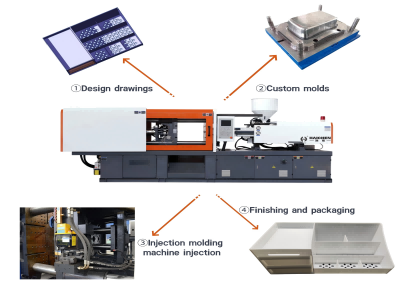
Plastic box production steps
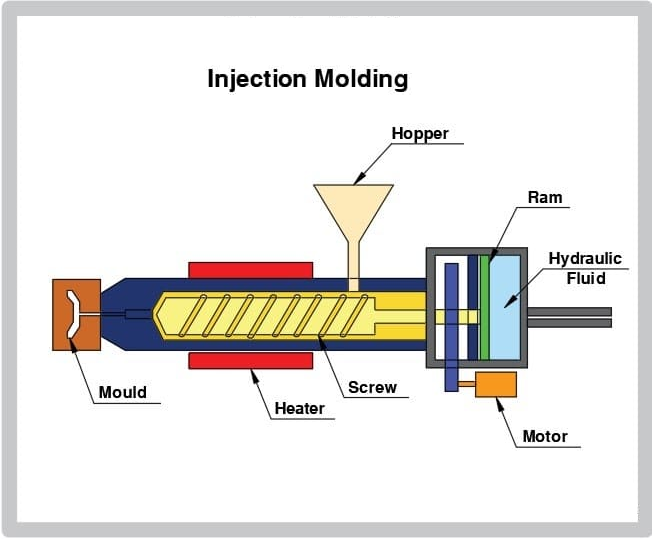
The plastic box production steps is actually quite interesting, and the core is injection molding. Let’s take a look at how it is done step by step.
- Design and Mold Making
- Material Selection
- Injection Molding Process
- Cooling and Ejection
- Finishing Touches
- Quality Control
Step 1: Design and Mold Making
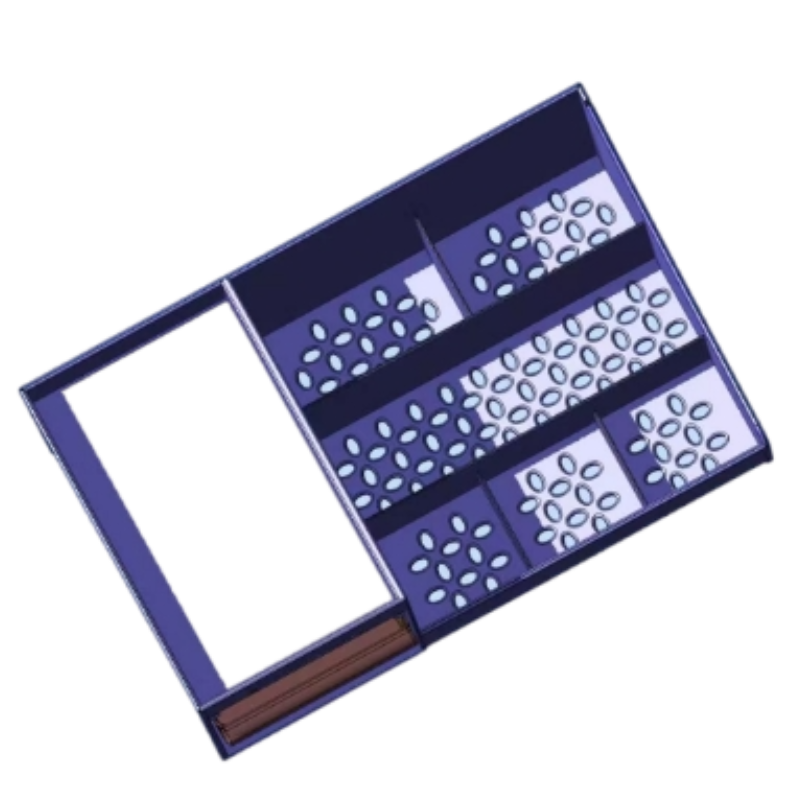
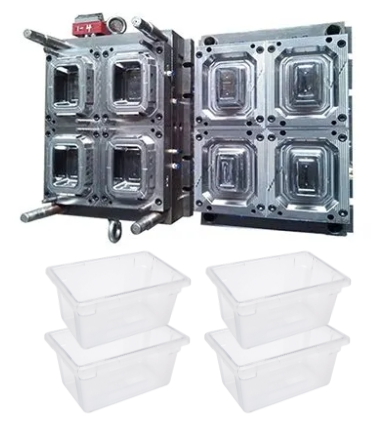
The first step is to design and make a mold. This work starts with designing the product. Designers will use computer design software (CAD) to carefully draw the shape of the box, determine the size, shape, and various details, such as whether to divide it inside or add a handle. After the design is finalized, it is time to make the mold. This mold is usually made of steel or aluminum and is divided into two parts, the inner and outer parts. The outer part determines the shape of the box, while the inner part is responsible for shaping the interior space of the box.
Step 2: Material Selection
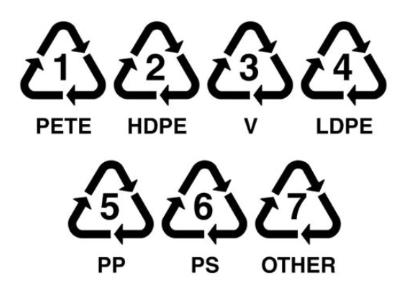
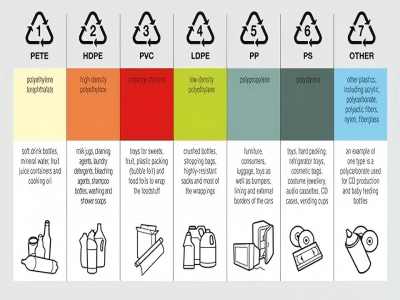
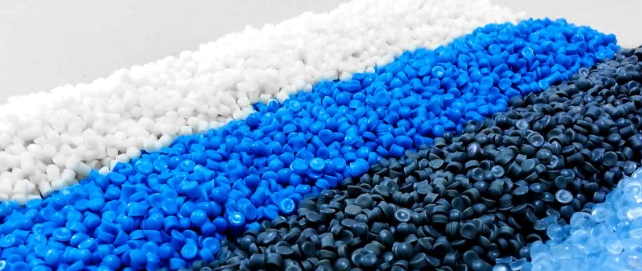
Choosing the right plastic material is a critical step. Commonly used plastics include polyethylene (PE), polypropylene (PP) and polystyrene (PS). Each material behaves differently – some are more flexible and resistant to drops, some are stronger and can bear weight, and some are particularly resistant to chemical corrosion or high temperatures. If you choose the wrong material, the finished product may crack and deform. In actual production, these plastics are first made into small pellets, which are easier to melt and shape.
Key Considerations:
- Characteristics of the material itself: Different plastic materials have different advantages. Polypropylene (PP) is very suitable for manufacturing products such as logistics turnover boxes that need to withstand collisions and stacking pressure due to its excellent impact resistance. Polyethylene (PE) is more commonly used to manufacture packaging boxes that need to contact food due to its non-toxic and safe characteristics.
- Pretreatment of materials – drying: Some plastic raw materials are very sensitive to moisture, such as polyethylene terephthalate (PET). Before production, these materials must be thoroughly dried, usually at a temperature range of 80°C to 120°C. If the moisture in the material is not completely removed, bubbles or defects called “silver streaks” may appear on the surface of the final plastic box. Strictly controlled drying processes are key to ensuring the quality of the final product.
- Practical application case: A project at HAICHEN Company well demonstrated the effect of precisely controlling the drying process. By using an automated drying system, they successfully provided stable and reliable moisture control for the materials used to produce 1.5 million PP plastic boxes each year. This system significantly improved product quality and reduced production defects by 15%.
Step 3: Injection molding process
We feed plastic pellets into the injection molding machine and heat them until they are completely melted. Next, the molten plastic is injected into the mold cavity with high pressure to ensure that the plastic can fill every detail of the mold. After filling, the plastic is cooled and shaped in the mold.
Six key steps of HAICHEN servo equipment:
Mold closing
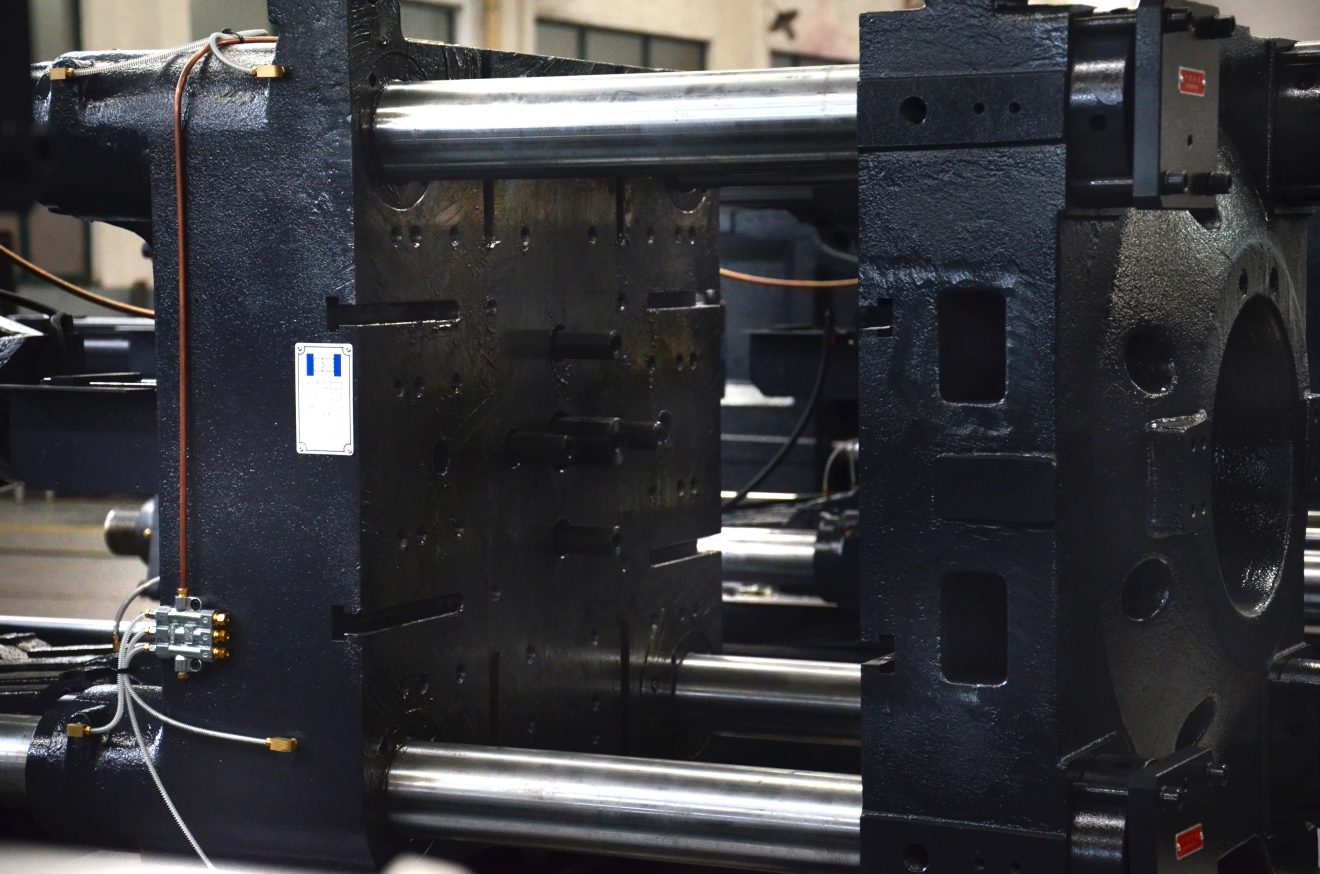
The mold (designed for box structure) is tightly closed by high pressure. The five-knuckle clamping system of the equipment can evenly distribute the pressure to avoid mold misalignment. Taking a 20-liter standard box as an example, the clamping pressure needs to reach 230-390 tons.
Calculation principle: Clamping force = mold pressure × projected area
Injection
The molten plastic is injected into the mold cavity. The multi-stage injection control system of the equipment can dynamically adjust the speed and pressure – for example, when producing thick-walled industrial boxes, the injection speed will be reduced to prevent surface dents.
Pressure holding
Extra pressure is applied during the cooling stage to offset plastic shrinkage. Precision pressure sensors can control the error within ±0.1%, which is crucial to maintaining dimensional accuracy.
Cooling
Mold temperature directly affects production speed and box flatness. Through PID temperature-controlled cooling channels and 3D printed conformal water channels, cooling efficiency is increased by 25%, ensuring uniform solidification of plastic.
Ejection
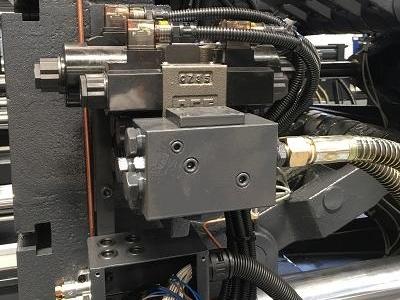
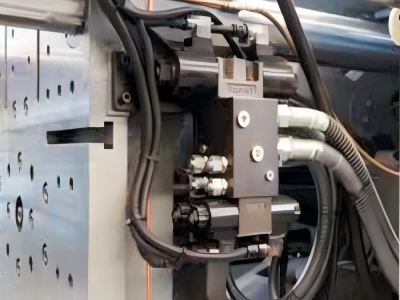
Hydraulic/electric ejector pushes the finished product out of the mold. The low-pressure ejection system protects delicate structures (such as thin-walled handles) from damage.
Step 4: Cooling and Ejection
After the plastic is completely solidified in the mold, we will open the mold and take out the formed box. This process usually uses several thin ejectors to gently push the box out to avoid deformation caused by excessive force. The temperature of the box just taken out is still relatively high. And we will arrange cooling according to the characteristics of the material – it may be natural cooling or slowly cooling in a temperature-controlled room to prevent the box from skewing or shrinking.
Step 5: Finishing Touches
The edges of the newly taken plastic boxes often have some extra thin edges (called “flash” in the industry), which need to be trimmed clean by hand or machine. If the customer requires a more refined appearance, we will also perform surface treatment: such as sanding with sandpaper to create a smooth texture, spraying with a specified color of paint, or affixing a product label. These operations not only make the box look better, but also improve the sealing or durability.
Step 6: Quality Control
Every plastic box is strictly inspected. The quality inspector will carefully check for cracks, deformation, missing corners, etc., and pay special attention to whether the box mouth is flat and the size is up to standard. Unqualified ones will be picked out separately, some can be recycled and some can only be discarded. Only completely qualified boxes will be packaged and shipped.
HAICHEN: Plastic Box Injection Molding Machine Manufacturer
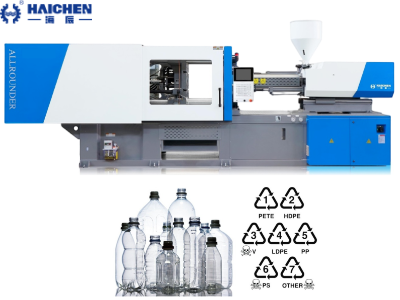
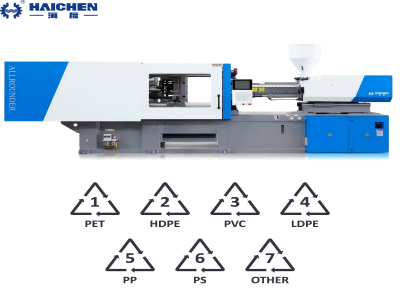
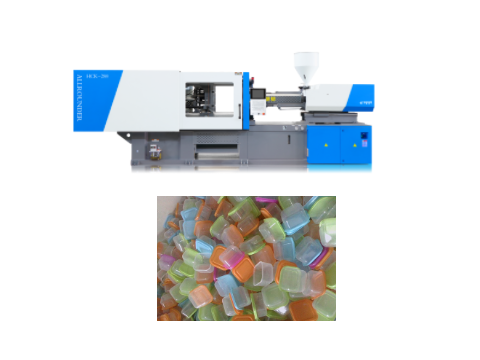
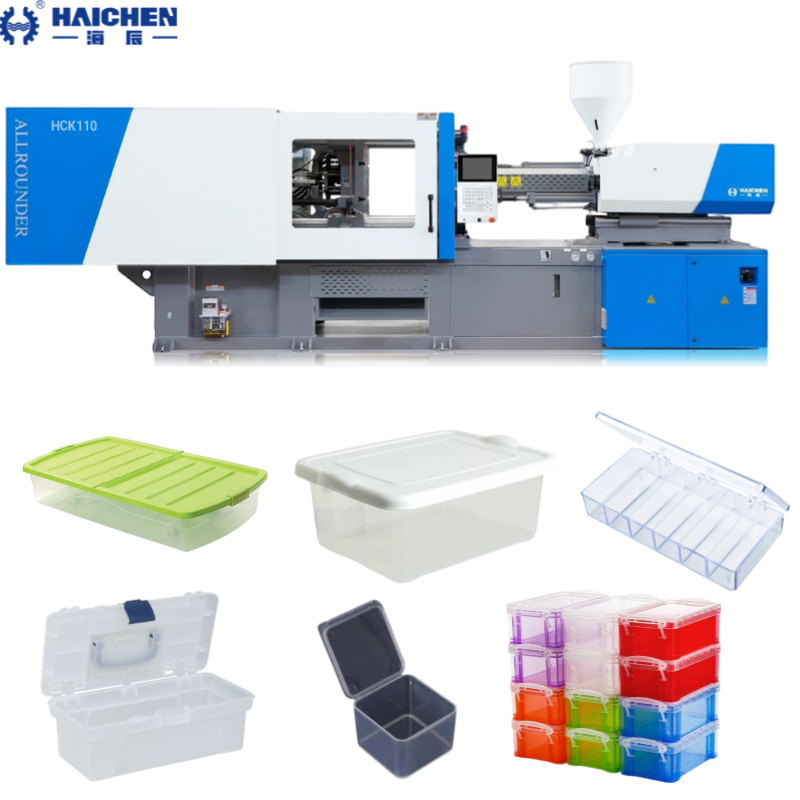
As a professional partner in the field of plastic box injection molding machine manufacturing. HAICHEN has always focused on providing customers with reliable production equipment since its establishment in 2005. Our injection molding machine series covers a clamping force range of 30T to 3000T. Including PET series models designed specifically for plastic boxes, ensuring stable and efficient production processes through high-rigidity structures and servo energy-saving technology.
Discussion on the Thai Market
The demand for plastic boxes in the Thai market is showing a steady growth trend. Which is mainly due to the expansion of the three major areas of retail, food packaging and consumer electronics.
With the accelerated popularization of e-commerce in Thailand and the popularization of modern retail channels such as convenience stores and supermarkets.
Faced with this trend, Thai manufacturers are actively looking for production solutions that combine reliability and efficiency.
In conclusion, understanding plastic box production steps can help us better understand the manufacturing details behind these daily necessities.
Only by taking every operational detail of the production process seriously (such as scrap recycling and dimensional deviation detection. Which are easily overlooked steps) can we ensure that the products shipped from the factory fully meet the quality standards.