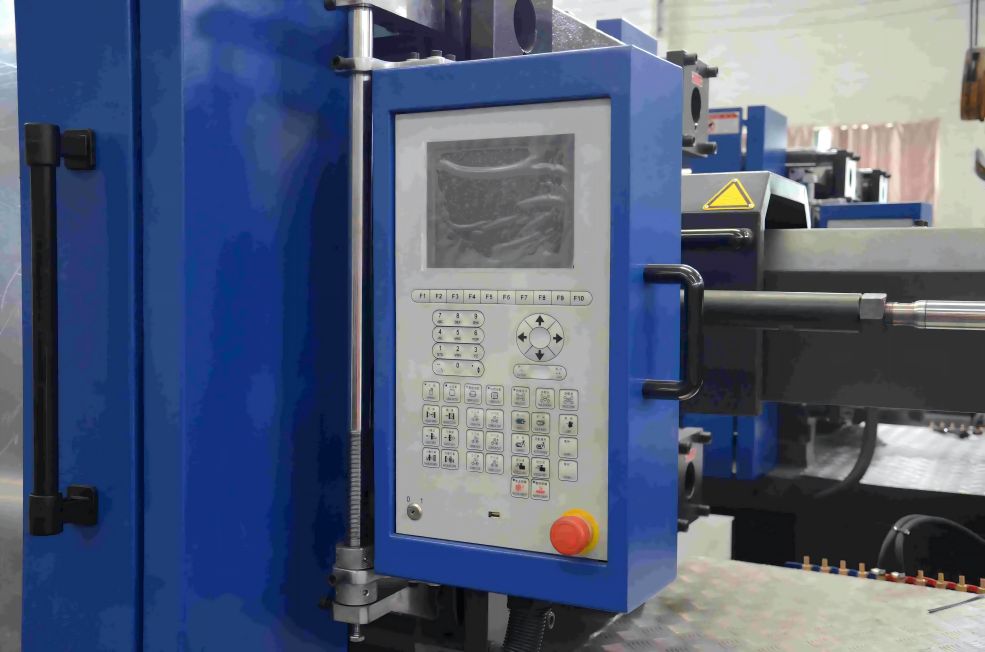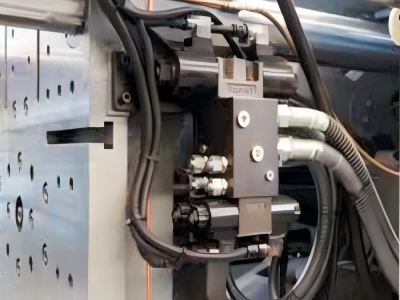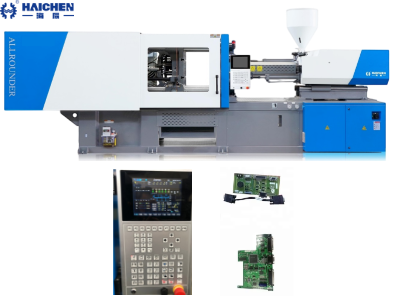
The function of the electrical control system of injection molding machines is to control the entire injection molding process to ensure the precise manufacturing and high-quality production of injection molded products.
The electrical control system of an injection molding machine is critical for automating and controlling the entire injection molding process.
The function of the electrical control system of injection molding machines
- Control process management
- Internal mold pressure control
- High-Performance Solutions
- Operator interface and quality control
- Sensor integration and real-time operation
- Servo drive and energy saving design
Control process management
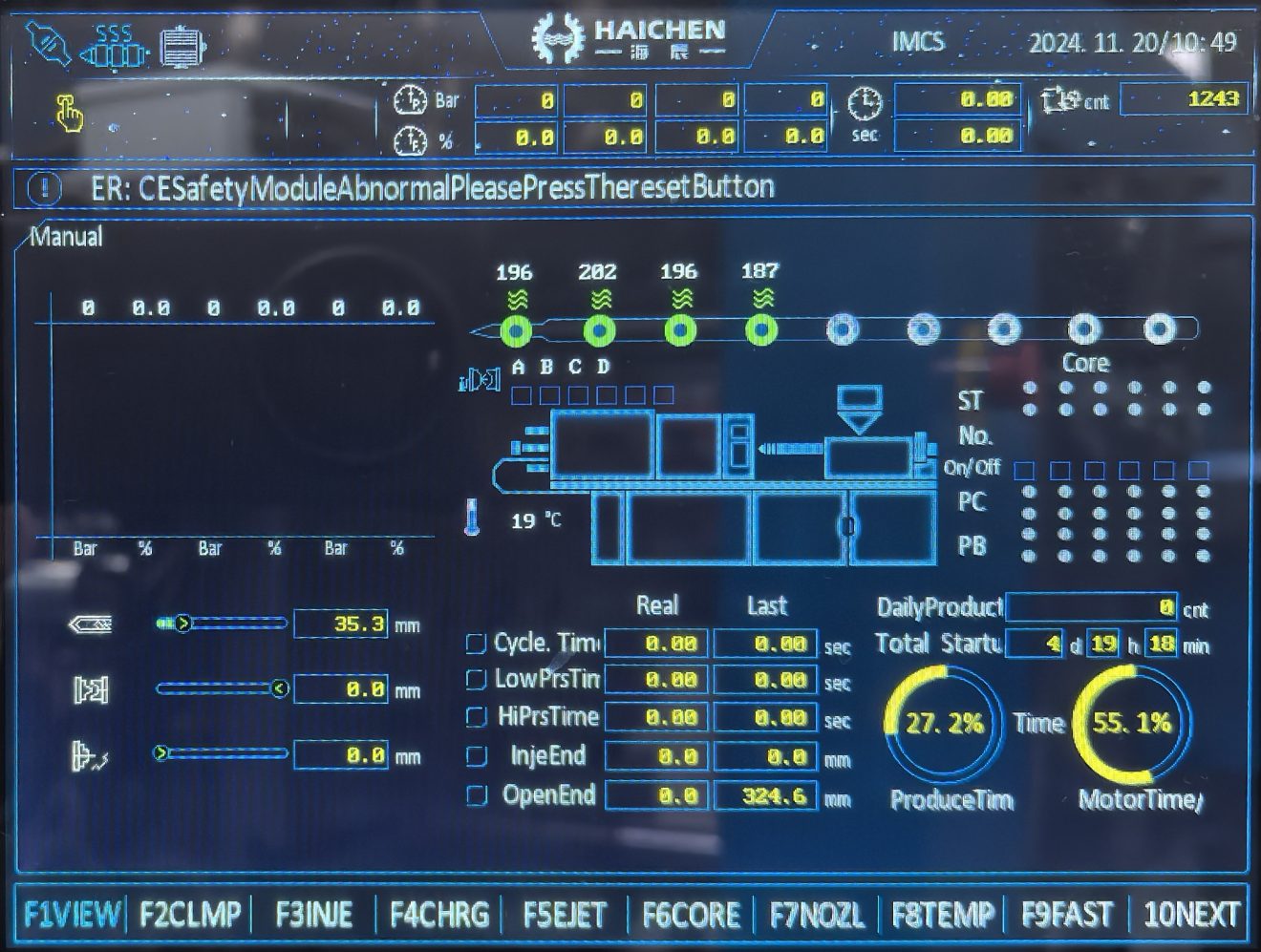
Monitor and adjust machine parameters
In injection molding machines, the electrical control system monitors and adjusts machine parameters (e.g., temperature, pressure, and position) via sensors to ensure an efficient and quality production process.
Enabling control of program and process variables
The electrical control system achieves precise control of the machine operation by managing the program and controlling the process variables.
Real-time Monitoring and Data Acquisition
Sensors (such as current transformers and temperature sensors) continuously collect equipment operating parameters (current, voltage, speed, temperature, etc.), providing a data foundation for control decisions.
Core Function
A controller (such as a PLC) generates control signals based on input data, driving actuators (such as solenoid valves and motors) to adjust equipment status.
- Maintaining physical quantities such as temperature and pressure within set ranges;
- Starting and stopping motors, adjusting speed, or switching between different motion modes.
Internal mold pressure control
- Reduced internal mold pressure fluctuations
- Multi-gate filling (sequential valve control)
- Preventing overflow
The electrical control system effectively prevents overflow by reducing internal mold pressure fluctuations, enabling multi-gate filling and sequential valve control.
It brings stable and low-pressure molding to the injection molding machine.
Closed-Loop Pressure Control
The electrical control system (centered around a PLC) uses a pressure sensor (such as a strain gauge sensor mounted on the injection screw) to monitor the actual injection pressure or in-mold pressure in real time and compare it with a preset target pressure curve.
Staged Pressure Control
Injection phase: Controls resin filling speed and pressure to prevent under-injection and flash. The system dynamically adjusts the target pressure curve (e.g., segmented linear/circular curve) based on time or screw position, and uses a servo motor to correct pressure deviations in real time.
Putting pressure phase
Compensates for resin shrinkage during cooling, maintaining constant pressure to prevent product sink marks. The electrical system independently controls holding pressure and time to ensure alignment with gate solidification time.
Staged Pressure Control
- Injection phase: Controls resin filling speed and pressure to prevent under-injection and flash. The system dynamically adjusts the target pressure curve (e.g., segmented linear/circular curve) based on time or screw position, and uses a servo motor to correct pressure deviations in real time.
- Putting pressure phase: Compensates for resin shrinkage during cooling, maintaining constant pressure to prevent product sink marks. The electrical system independently controls holding pressure and time to ensure alignment with gate solidification time.
High-Performance Solutions
- Supports higher cycle time synchronized mold and nozzle motion control
The electrical control system provides a high-performance solution by supporting the simultaneous synchronization of mold and nozzle movements and a servo motor load monitoring function.
- Introducing cycle time analysis charts
The electrical control system realizes real-time monitoring and optimization of the injection molding process through the introduction of cycle time analysis charts and further improving production efficiency and product quality.
Precisely control the injection process
Core control unit: A programmable logic controller (PLC) serves as the main control unit, responsible for coordinating the timing logic of the entire injection process, including precise control of parameters such as injection speed, pressure, and holding time.
Energy Efficiency and Energy Saving
Servo drive technology: All motors are driven by servo motors, saving 30%-70% energy compared to traditional hydraulic presses.
Safety and Reliability
Multiple protection mechanisms: Integrated overload protection, short-circuit protection, and emergency stop functions prevent equipment damage and safety accidents
Operator interface and quality control
12-inch/15-inch HD touchscreen display
Electrical Control System Functions in Injection Molding Machines Unique operator interfaces include 12“ or 15” high-definition touchscreen displays.
These high-definition interfaces provide an intuitive and efficient operating experience.
Standard Process (PDP) and Statistical Process Control (SPC)
The electrical control system is equipped with a 12-inch/15-inch HD color touch screen for standard process quality control (PDP) and statistical process control (SPC) to ensure operational efficiency and product quality of the injection molding machine.
Sensor integration and real-time operation
Sensors measure temperature
The Sensors measure temperature, pressure, and position. Electrical control systems measure temperature, pressure, and position in real-time through integrated sensors, and data.
That is critical to the precise operation of the machine.
Real-time remote operation and control
Electrical control systems for injection molding machines provide real-time remote operation and control capabilities, ensuring operational precision and efficiency.
Servo drive and energy saving design
Closed-loop controlled operation and improved repeatability
Servo drive systems significantly increase productivity and product quality through closed-loop controlled operation and improved repeatability.
Energy savings
The electrical control system realizes energy savings of 20% to 80% by adopting the servo-drive concept of the e-Profit series machines, while the low-noise gear pumps further enhance productivity and product quality.
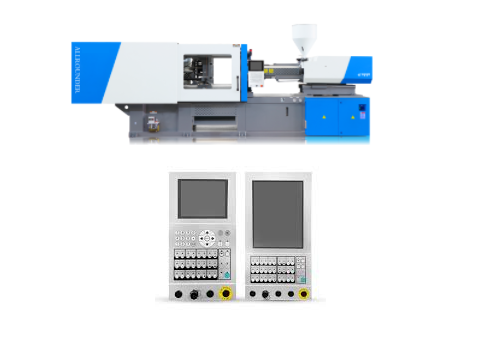
The function of electrical control system of Haichen injection molding machines
Haichen Machinery has been focused on plastic injection molding machines for more than 20 years. The computer control system consists of a highly reliable computer, various control modules with reliable performance, motor drives, and various sensors, and is equipped with a software control system. Handle every detail line more precisely.
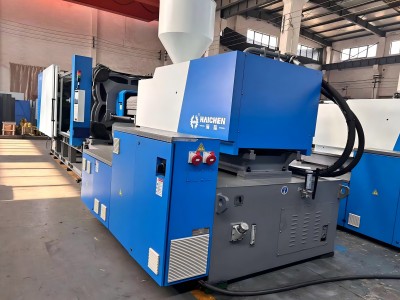
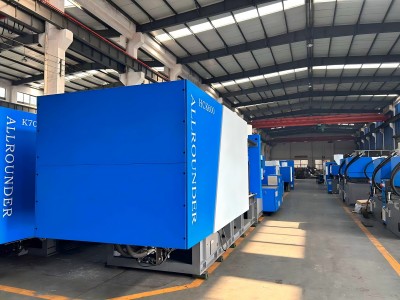
The electrical control system of the injection molding machine is a key component to ensure the smooth running of the injection molding process.
It provides a strong guarantee for high-quality and high-efficiency injection molding production by accurately controlling the process parameters, providing power and realizing the action programs, supporting multiple control modes, and improving production efficiency and precision, among other functions.