The cost of plastic injection molding is affected by many factors, including mold design, material selection, production volume, mold material, geographic location, production efficiency and quality control. Understanding these factors can help companies optimize costs and improve production efficiency.
These factors are important in cost management and production efficiency. Plastic injection molding costs and factors undergo significant variation with several factors. These factors influence the cost throughout the entire workflow, from initial design to production.
In addition to the complexity of the design, plastic injection molding cost factors include material selection, mold size, cavities, and production scale. Many different factors such as mold design, material choice, mold volume, mold material, geographic region, production efficiency, and QC all impact the cost of plastic injection molding.
Plastic injection molding cost factors
Material Type of plastic injection molding cost factors
Cost of Resin
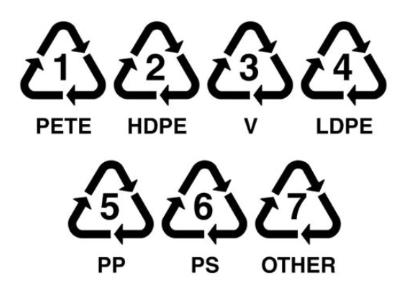
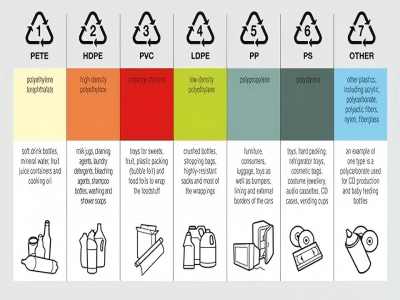
The type of plastic material used has a direct impact on the cost. Commodity plastics (e.g., polyethylene, polypropylene) are typically cheaper.
Engineering plastics (e.g., ABS, polycarbonate) or specialty materials (e.g., PEEK, liquid silicone) can increase costs.
Material Additives
Additives such as colorants, flame retardants, or UV stabilizers may add to the material cost.
Mold Design and Tooling
Mold Complexity
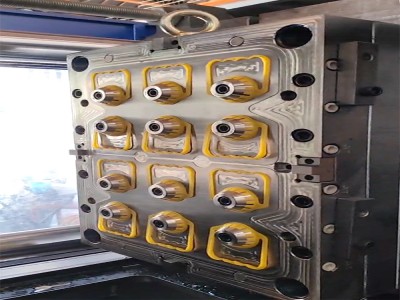
More complex molds, especially those with intricate details, undercuts, or multi-cavity designs, are more expensive to design, machine, and maintain.
Mold Material
The type of material used for the mold (e.g., steel, aluminum) affects the cost.
Steel molds are more durable and can withstand more cycles but are more expensive upfront.
Aluminum molds are cheaper but may wear out faster, especially for high-volume production.
Number of Cavities
Multi-cavity molds can be more expensive to design and manufacture.
Part Complexity of plastic injection molding cost factors
Part Size
Larger parts generally require larger molds and more material, increasing the cost.
Part Geometry
Parts with intricate geometries, thin walls, or overhangs that require more sophisticated tooling (e.g., sliders or lifters) will raise the overall cost.
Wall Thickness
Uniform wall thicknesses help with uniform cooling and molding while varying wall thicknesses can complicate the process and result in higher costs.
Tolerance Requirements
Tight tolerances may require more precise molds and machinery, which adds to the cost.
Production Volume of factors
Low vs. High Volume
The cost per part generally decreases as the production volume increases due to the amortization of the mold cost over a larger number of units.
High-volume runs justify the initial mold investment and lead to lower per-part costs.
Setup and Cycle Time
For higher volumes, the time it takes to set up the machine and complete each cycle becomes a critical factor.
A longer cycle time will increase the overall cost while optimizing cycle time can reduce it.
Machine and Equipment Costs
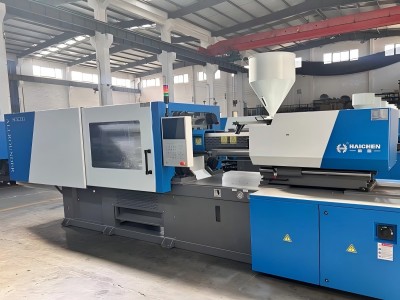
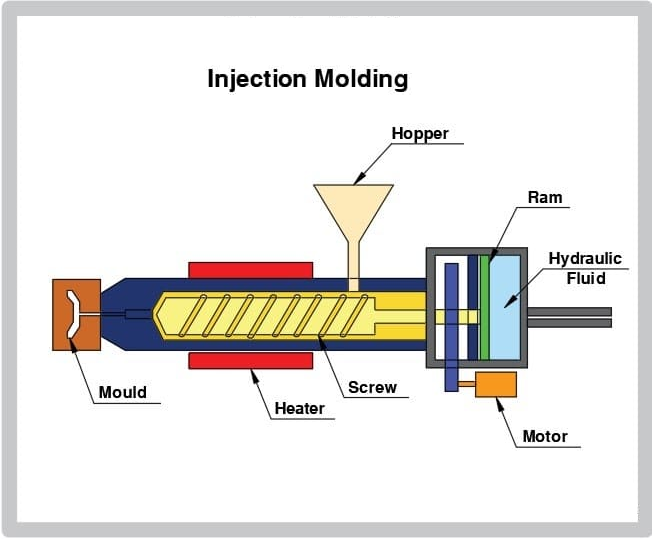
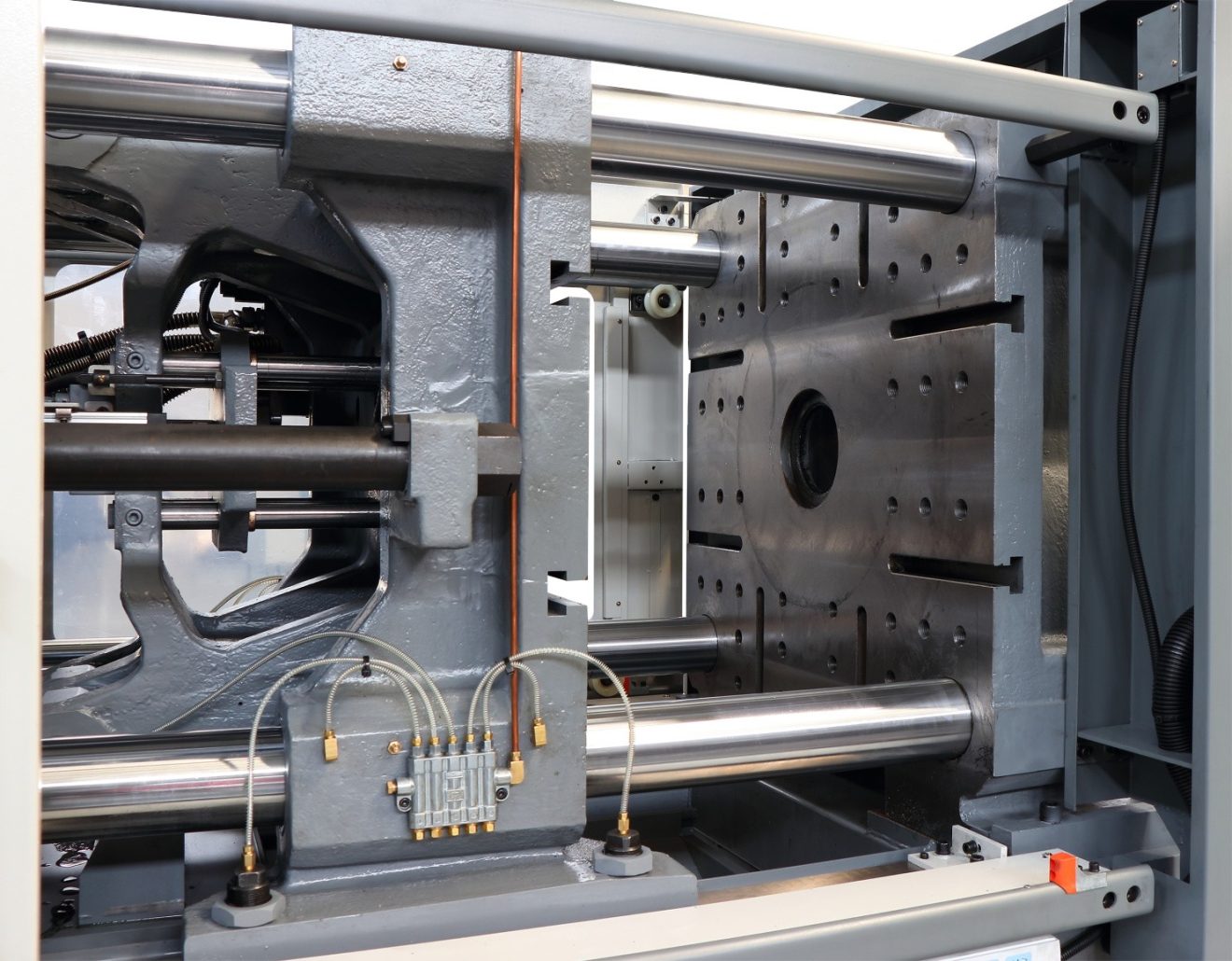
Injection Molding Machine Size and Capability
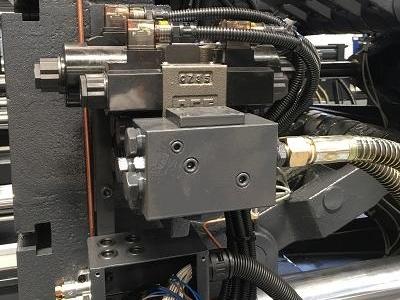
Larger and more advanced injection molding machines are required for larger or more complex parts.
These machines are more expensive to operate, increasing the cost of the process.
Automation and Robotics
If automation (e.g., robotic arms for part removal) is used, it can increase upfront costs but may reduce labor costs in the long run.
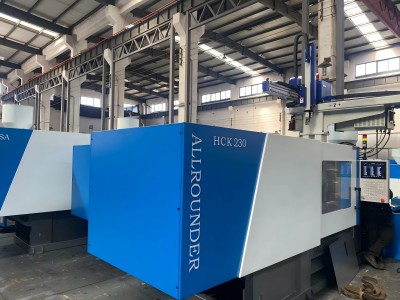
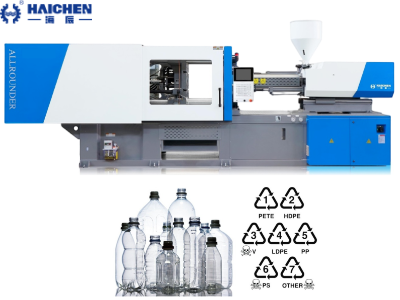
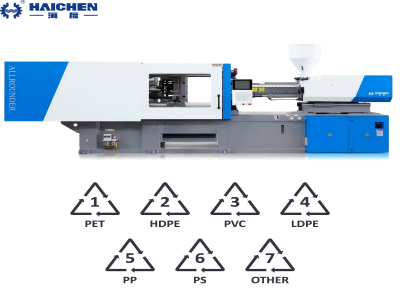
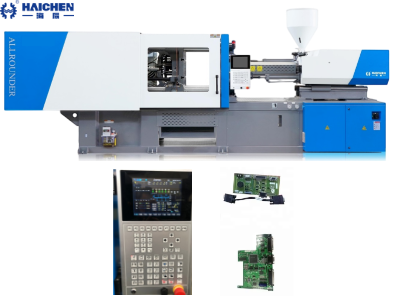
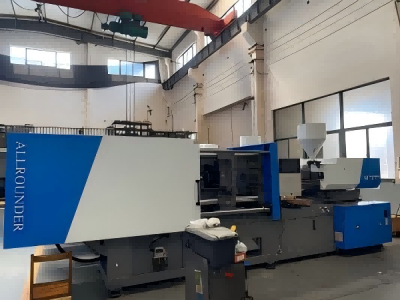
Haichen Plastic Injection Molding Machine
Haichen is a well-known manufacturer of injection molding machines, and the cost of using their equipment for plastic injection molding depends on various factors.
If there is any requirement, we will provide more machine information and quotations according to your needs.
These are the main factors that affect the cost of injection molding. For manufacturers, understanding and balancing these elements effectively can help minimize costs while maintaining quality and efficiency.