Plastic raw Materials for injection molded plastics,Here are some of the key steps and considerations for choosing:
- Determine product needs
- Understand material properties
- Consider shrinkage
- Cost and processing complexity
- Consult with experts
- Applications
- Environmental conditions
When selecting plastic raw materials for injection molding machines, there are several factors to consider to ensure that the selected material meets the performance requirements and application needs of the product.
In actual production, the mold design of injection molding machines needs to be adjusted according to the specific shrinkage rate range of the material.
And comprehensively considered in combination with factors such as the structure of the plastic part and process conditions.
The shrinkage rate of different materials has a significant impact on injection molding production.
Therefore, when choosing materials, the material properties must be comprehensively considered to ensure the dimensional accuracy and quality of the final product.
Choose plastic raw Materials——Determine product needs
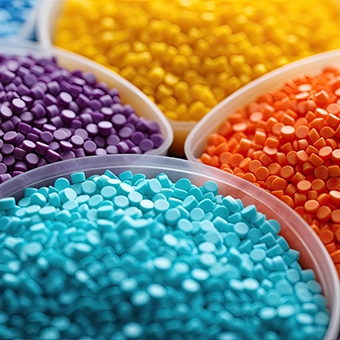
First, identify the specific needs of the product, including properties such as strength, durability, chemical resistance, and heat resistance.
These needs will guide you in choosing the right material.
Choose plastic raw Materials——Understand material properties
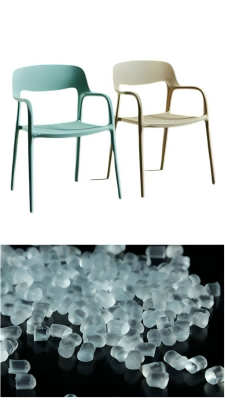
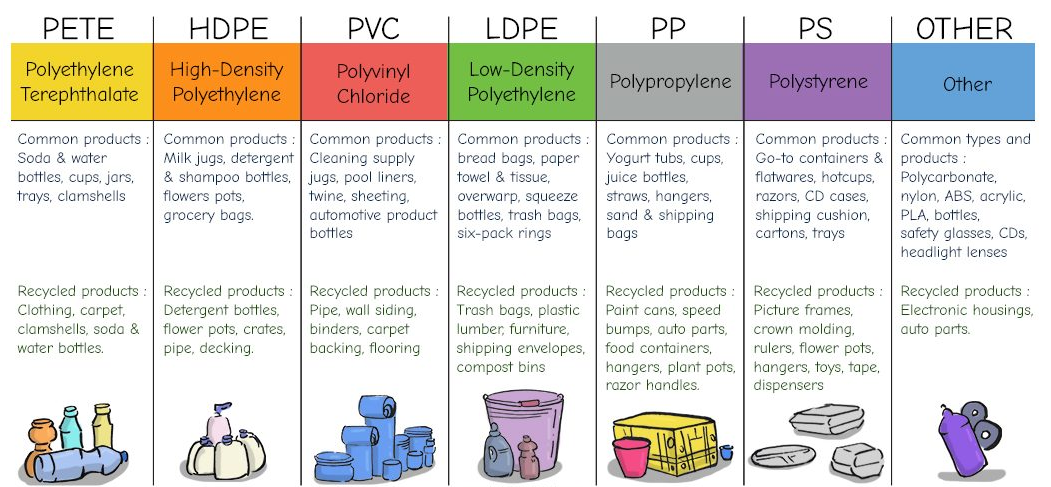
Different plastic materials have different physical and chemical properties.
For example, ABS (acrylonitrile butadiene styrene) is known for its high strength, versatility, and impact resistance, making it suitable for applications that need to withstand physical impact.
Polystyrene (PS), on the other hand, has good geometric stability and optical transmission characteristics, making it suitable for transparent products.
Choose plastic raw Materials——Consider shrinkage
When choosing a material, consider its shrinkage. Crystalline plastics such as polyethylene and polypropylene have a larger shrinkage.
While amorphous plastics such as polystyrene have less shrinkage.
This affects the dimensional accuracy and final quality of the product.
Choose plastic raw Materials——Cost and processing complexity
When selecting a material, consider its cost and processing complexity.
Some materials may be more expensive or more difficult to process, which can impact production efficiency and costs.
Choose plastic raw Materials——Consult with experts
The selection of injection molding materials involves a complex decision-making process, so it is advisable to consult with industry experts.
They can provide professional advice to help you choose the best material for your application.
Applications
Choose the right material according to the product’s application field.
ABS is commonly used in automotive components and electronic devices, while polycarbonate (PC) is widely used in medical devices and optical components.
Environmental conditions
Consider the environmental conditions that the product will be exposed to, such as temperature, humidity, and chemical exposure.
Choose materials that can withstand these conditions to ensure the long-term performance and reliability of your products.
Types of Injection Molding Plastic Raw Materials
Polyethylene (PE): It is divided into high-density polyethylene (HDPE), low-density polyethylene (LDPE), and linear low-density polyethylene (LLDPE).
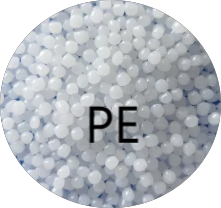
PE has good ductility, tensile strength, and impact resistance, making it suitable for packaging, containers, and household items.
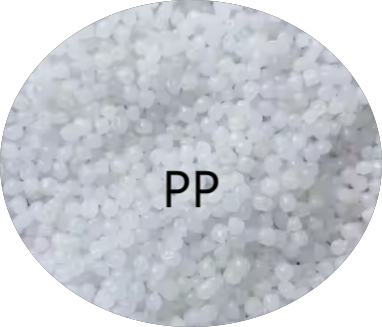
Polypropylene (PP): It has good chemical resistance and fatigue properties, and is commonly used in automotive parts, medical devices, and textiles.
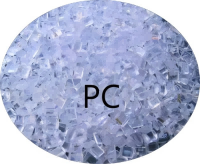
Polycarbonate (PC): Widely used for its strength, toughness, and transparency, it is suitable for transparent windows, light-emitting diodes, mechanical guards, and transparent pipes.
Acrylonitrile-butadiene-styrene copolymer (ABS): High impact resistance, durability, and strength for electronic components, automotive parts, and consumer products.
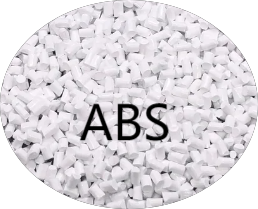
Polystyrene (PS): Commonly used in product packaging, household goods, and electrical components, among others.
Nylon (PA): It has good wear resistance and mechanical strength, and is suitable for various engineering applications.
Polyoxymethylene (POM): It has high rigidity and wear resistance, and is suitable for mechanical parts and electronic components.
Polyethylene terephthalate (PET): Commonly used in the manufacture of preforms and other containers.
These materials are used in a wide range of injection molded products based on their physical and chemical properties,
from medical devices to consumer goods, and choosing the right material is key to ensuring product quality and performance.
Key factors in the selection of plastic raw Materials for injection molding
Shrinkage:
Thermoplastics undergo volume changes during the molding process, resulting in differences between the part size and the mold size.
The magnitude of the shrinkage affects the dimensional accuracy and quality of the final product.
Flowability:
The fluidity of a plastic material determines its filling capacity and molding speed during the injection molding process.
The material with good flow can fill the mold more easily, reducing the generation of air bubbles and defects.
Crystallinity:
Crystallinity affects the mechanical and thermal properties of plastics.
Materials with high crystallinity typically have higher strength and rigidity but may require longer cooling times.
Heat-sensitive and easily hydrolyzable:
Heat-sensitive plastics are easily degraded at high temperatures, while easily hydrolyzable plastics are easy to decompose in a humid environment.
These properties need to be considered when selecting materials to ensure the long-term stability and durability of the product.
Stress cracking and melt rupture:
These factors affect whether plastic products will crack due to stress concentrations or melt rupture during use.
Choosing a material with good resistance to stress cracking and melt cracking can improve the reliability and longevity of the product.
Thermal properties and cooling rate:
Different plastic materials have different thermal properties, including melting point, softening point, etc.
The cooling rate also affects the molding quality of the product and the internal stress distribution.
Hygroscopicity:
Materials with high hygroscopicity need to be properly dried before molding to avoid bubbles and stress concentration inside the product.
Look and feel:
If plastic products need to have a specific look and feel, you need to choose materials with good surface quality and texture
Temperature range:
Different plastic materials have different melting and softening points, and the selection of suitable materials needs to consider the temperature range of the product during use.
Requirements for raw materials for Haichen injection molding machines
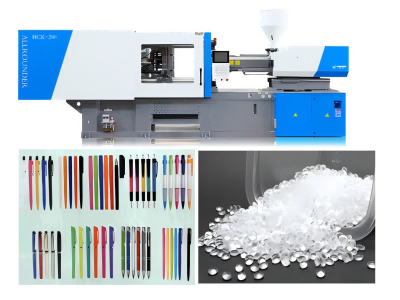
Haichen injection molding machines have strict requirements for the purity and impurity content of raw materials to ensure product quality and stability of the production process.
Raw material purity requirements:
The purity of raw materials is usually required to meet a high standard.
For example, some specific applications require a raw material ≥ 98.5% purity, and only its content (purity) characteristic value needs to be determined.
For transparent injection molding materials, such as polycarbonate, high purity and low impurity content are required to ensure good optical properties and stability.
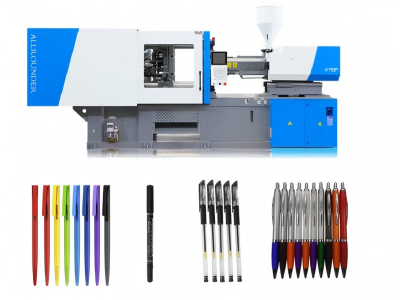
Impurity content requirements:
Plastic raw materials should not contain excessive impurities, including inorganic, organic, and moisture.
These impurities may affect the molding quality and final performance of the product.
In the injection molding process, the presence of impurities can lead to bubbles, yellowing, and other problems in the product,
so it is necessary to remove impurities and moisture through pretreatment steps such as drying, screening, and mixing to improve the purity and stability of the raw material.
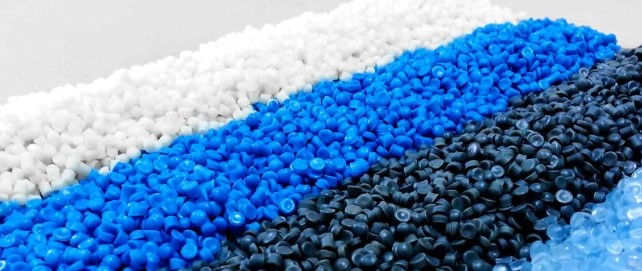
The mixing of recycled materials in raw materials or raw materials of different grades will also lead to miscellaneous spots in molded plastics,
so foreign impurities in raw materials should be screened out, and raw materials with uniform particle sizes should be selected.
Specific operation requirements:
The injection molding raw materials should have a certain particle size and dryness to ensure the molding quality.
The ingredient ratio and mixing uniformity of raw materials should meet the process requirements to avoid product quality problems caused by the poor quality of raw materials.
When selecting raw materials, properties such as fluidity, shrinkage, and melt viscosity need to be considered to ensure uniform mold filling and reduce the occurrence of defects during the injection molding process.
Haichen’s services
Plastic materials for injection molding range from commonly used polymers to specialty plastics and polymer blends.
There are hundreds of different plastic resins available, and they each have different end-use properties and processing requirements.
And if you’re looking for help with your injection molding projects, you can get in touch with us.